November 1, 2026 · Aeration & Seeding · By Mike Harmon, Owner & Licensed Applicator
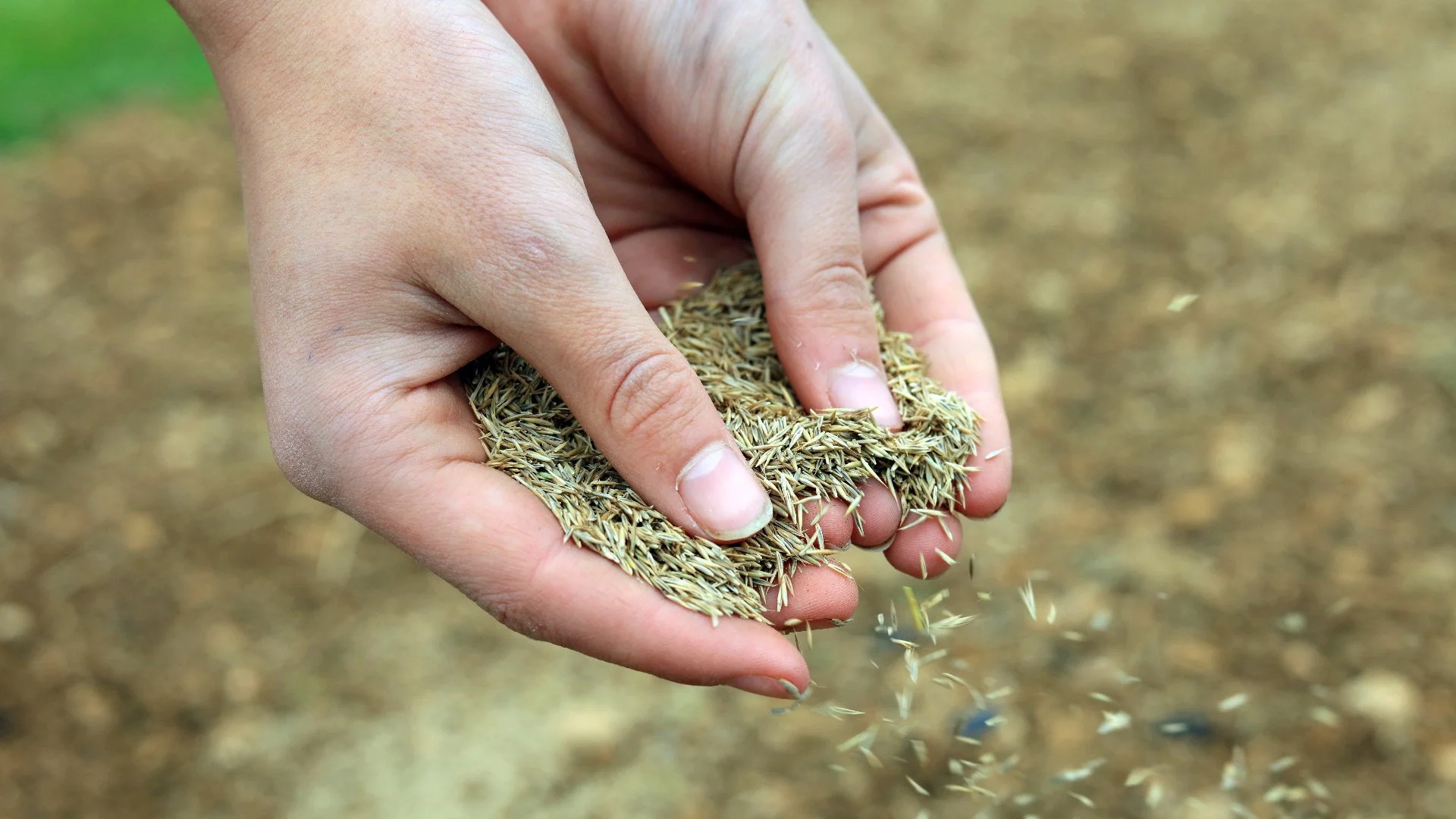
Dormant seeding means spreading grass seed in late fall or winter, when it's too cold for the seed to sprout. The seed sits on the soil all winter and germinates when the soil warms up in spring. In Indiana, Purdue says dormant seeding can be done from about Thanksgiving through March. If you missed the September seeding window, it's usually a better option than waiting to seed in spring.
Thin lawn you want fixed by spring?
We aerate and seed lawns across Hamilton County. Tell us about your yard and we'll recommend the right timing.
When to Dormant Seed in Indiana
Purdue's lawn seeding guide (AY-20) says dormant seeding can be done "as early as Thanksgiving and as late as March," depending on where you are in the state. The goal is to get seed down after it's too cold to germinate, but early enough that the ground still freezes and thaws a few more times before spring.
Two timing notes from Purdue's turf team:
- Don't go too early. Seed spread in early or mid-November can sprout during a warm spell and then die when the cold returns. Wait until after Thanksgiving.
- Tall fescue can wait longer. Purdue's Aaron Patton suggests waiting until late December for tall fescue to make sure the soil is cold enough that none of it germinates.
Hamilton County is a good place for it. Purdue notes that dormant seeding works much better from Bloomington north, because winters there stay cold enough to keep the seed from sprouting until spring.
Why Dormant Seeding Works
Winter does the planting for you. As the soil freezes and thaws, it heaves and cracks, and the seed settles into those cracks. Purdue says this creates "ideal germination conditions." When the soil warms in April, the seed is already in place and sprouts as soon as it can.
That head start matters. A Purdue plant diagnostic article says dormant-seeded grass germinates slightly earlier in spring than grass seeded in spring. It's also easier to schedule, because spring rains in Indiana often make it hard to get seed down after March.
Dormant Seeding vs. Fall and Spring Seeding
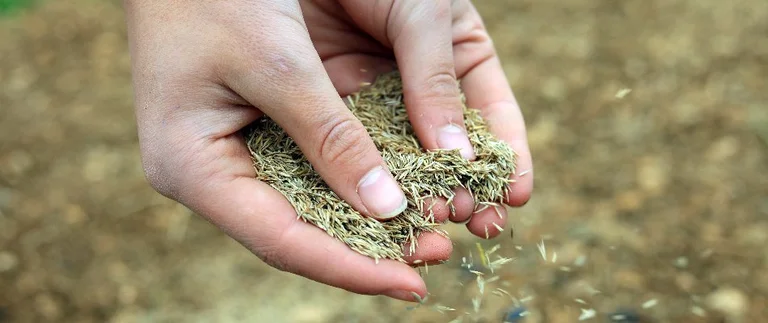
Purdue ranks dormant seeding as "usually more effective than spring seeding and only slightly less effective than Sep. seeding." Here's how the three compare:
- Late summer to early fall (best): Purdue calls mid-August to mid-September the best time to seed in northern Indiana. Our guide on when to aerate and overseed covers that window.
- Dormant seeding (second best): Thanksgiving through March. Nearly as good as fall, with less work.
- Spring (hardest): Purdue says spring seeding "is very difficult and often unsuccessful." New grass goes into summer with weak roots and has to compete with crabgrass. In one Purdue study, Kentucky bluegrass seeded in May had more than three times the weeds of bluegrass seeded in September.
Best Grass Seed for Dormant Seeding
Kentucky bluegrass is the best choice. A Purdue article explains that its slow germination keeps it from sprouting too early during a warm spell in winter. Tall fescue also works, especially if you wait until late December. Perennial ryegrass is riskier: it germinates fast, so an early warm spell in spring can make it sprout and then freeze.
For seeding rates, Purdue recommends 2 to 3 pounds of Kentucky bluegrass per 1,000 square feet, the same as seeding bare ground. Tall fescue goes down at 6 to 9 pounds per 1,000 square feet. Because seed sits on the surface longer, a 2026 Kansas State study suggests increasing the rate by about 25% for dormant seeding. Not sure which seed fits your yard? See our guide to choosing grass seed for Indiana.
How to Dormant Seed Your Lawn
- Prepare the soil while you can. Purdue suggests doing any soil work in late fall while conditions allow, then dormant seeding the thin areas later. Core aeration before the ground freezes gives the seed more places to land.
- Spread the seed after Thanksgiving. Purdue says dormant seeding doesn't need slit seeding or power raking, because the freeze and thaw cycles work the seed into the soil. Snow on the ground doesn't matter.
- Skip fertilizer until spring. Purdue recommends a starter fertilizer shortly after the seed germinates, when the seedlings can use it.
- Avoid slopes. Seed on a slope can wash away over the winter. Purdue says to avoid dormant seeding on slopes prone to erosion, or cover moderate slopes with straw or an erosion blanket.
Don't Use Crabgrass Preventer on Dormant-Seeded Areas
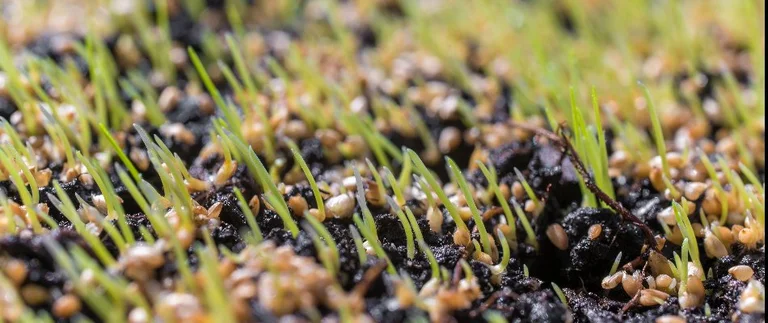
This is the mistake that wipes out a dormant seeding. Most spring crabgrass preventers (pre-emergent herbicides) stop grass seed from growing too. Purdue's seeding guide (AY-3) says to avoid applying a pre-emergent in early spring on dormant-seeded areas and to control crabgrass with a post-emergent product later in summer instead.
If you're on a lawn care program, tell your provider which areas you seeded so they skip them in spring. If you're a Sprout customer, just let us know and we'll plan around it.
Dormant Seeding FAQ
What is dormant seeding?
Dormant seeding is spreading grass seed in late fall or winter when it's too cold to germinate. The seed sits in the soil over winter and sprouts in spring when the soil warms up.
When should I dormant seed in Indiana?
Purdue says dormant seeding can be done from about Thanksgiving through March. Wait until after Thanksgiving so the seed doesn't sprout during a warm spell and then die in the cold. For tall fescue, late December is safer.
Is dormant seeding better than spring seeding?
Usually, yes. Purdue says dormant seeding is usually more effective than spring seeding and only slightly less effective than seeding in September. Spring-seeded grass goes into summer with weak roots and more weeds.
Do I need to rake or slit seed for dormant seeding?
No. Purdue says dormant seeding doesn't need slit seeding or power raking, because freezing and thawing work the seed into the soil. Core aeration before the ground freezes does give the seed more places to settle.
Can I put down crabgrass preventer in spring after dormant seeding?
Not on the seeded areas. Most pre-emergent crabgrass products also stop grass seed from growing. Purdue recommends skipping the spring pre-emergent on dormant-seeded areas and controlling crabgrass later in summer.
What grass seed is best for dormant seeding?
Kentucky bluegrass is the best choice because it germinates slowly and is less likely to sprout too early. Tall fescue works too. Perennial ryegrass is riskier because it sprouts quickly during warm spells.
Sprout Lawn & Landscape provides aeration and seeding, new lawn seeding, and fertilization and weed control in Noblesville, Carmel, Westfield, Fishers, and surrounding Hamilton County communities. Request a quote or call (317) 900-7151.