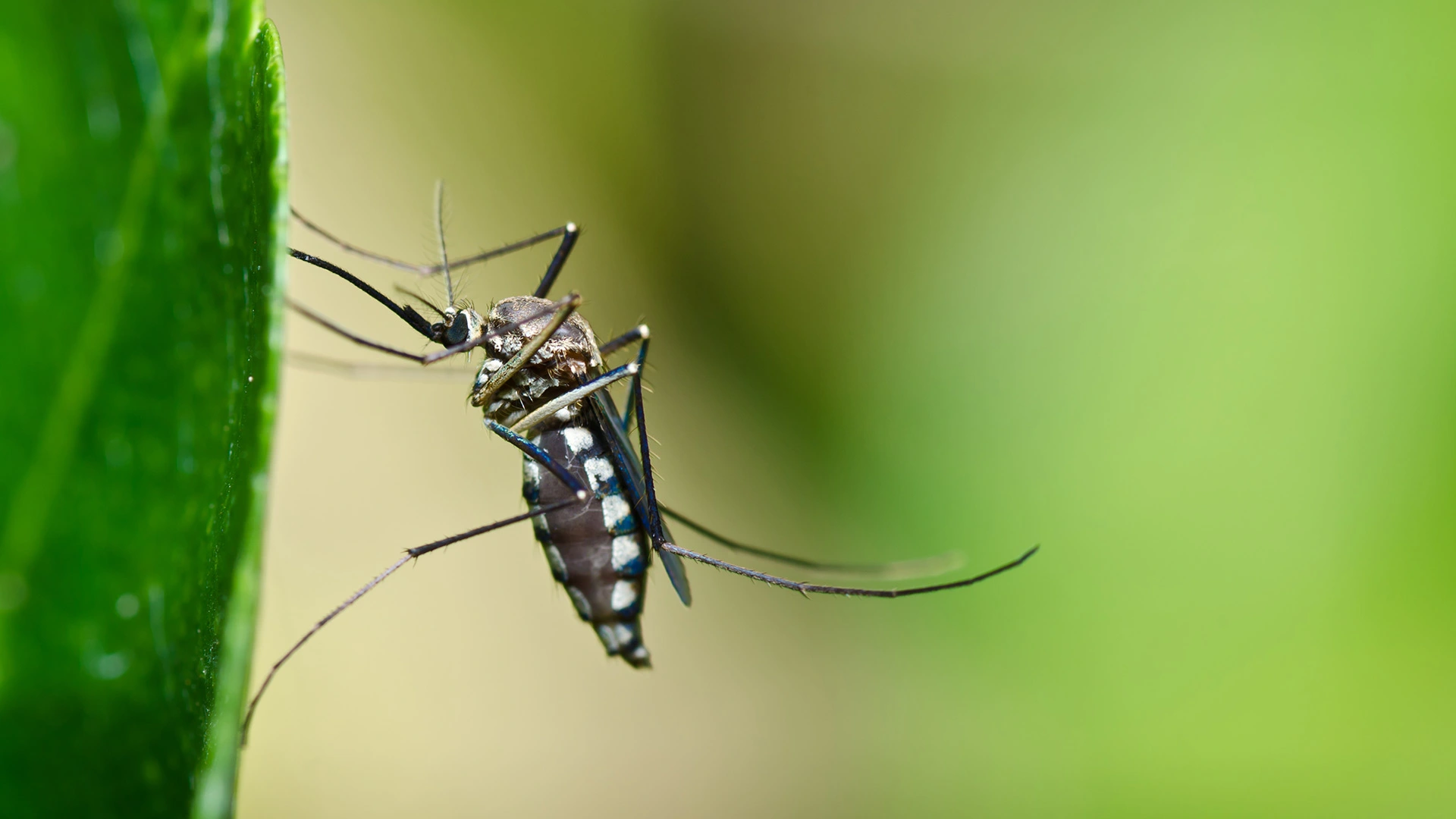
October 4, 2026 · Mosquito Control · By Mike Harmon, Owner & Licensed Applicator
If you live near Geist or Morse Reservoir or back up to a retention pond, you already know mosquito season in Hamilton County can make the backyard unusable. Here's when mosquitoes are active in central Indiana, what the West Nile risk actually looks like, and what works to cut them down around your house.
The short version
- Season: May through October in Indiana, and it doesn't end until the first hard freeze.
- Biggest lever: dump standing water once a week. A mosquito can go from egg to adult in about 7 to 10 days.
- Yard treatments: they reduce bites around the house when they're repeated every few weeks, but they don't replace removing standing water.
When Mosquito Season Starts and Ends
The Indiana Department of Health describes the state's typical mosquito season as running from May to October, and it says the season continues through the first hard freeze. In our area, the National Weather Service puts the average hard freeze (28°F) at October 31 in Anderson and November 5 at the Indianapolis airport. So a warm October still has mosquitoes.
Purdue Extension counts about 55 mosquito species in Indiana, with 12 to 15 that matter for public health.
West Nile Virus in Indiana
West Nile is the most commonly reported mosquito-borne disease in Indiana, according to the Indiana Department of Health. The same page says about 80% of people infected never develop symptoms, fewer than 1% develop severe illness, and people over 60 are at higher risk. It's spread by Culex mosquitoes, which feed from early evening into the night.
It shows up close to home. In July 2026, a mosquito sample at Founder's Park in Carmel tested positive for West Nile, according to Current. The state tracks results on its mosquito-borne illness dashboard.
The Asian tiger mosquito is different. The state health department says it's found mostly in the southern half of Indiana but is also present in northern counties, and it bites during the day, especially in shade. If you're getting bitten at noon on a shaded patio, that may be why.
Standing Water Is the Whole Game
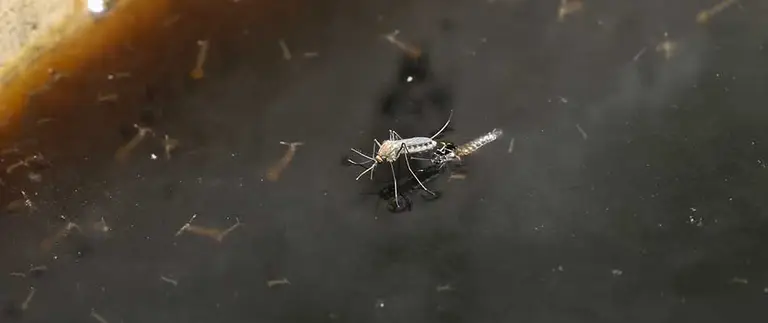
Mosquitoes lay eggs on standing water, and it doesn't take much. The state health department says water as small as a bottle cap can breed mosquitoes. The CDC says a Culex egg takes 7 to 10 days to become an adult. Purdue notes that the water in one discarded tire can breed 10,000 to 500,000 mosquitoes in a season.
That's why the state's advice is to tip and toss once a week. Walk the yard every weekend and empty anything that holds water:
- Birdbaths, pet bowls, and flowerpot saucers
- Kids' toys, wading pools, buckets, and trash can lids
- Clogged gutters, especially where leaves plug the downspouts
- Old tires, rain barrels, and low spots that stay wet after rain
Clean gutters matter more than most people think. Leaves that sit in gutters through fall hold water, which is one more reason to get them out during your fall cleanup.
Protecting Yourself
The state health department recommends EPA-registered repellents containing DEET, picaridin, IR3535, oil of lemon eucalyptus, para-menthane-diol, or 2-undecanone. It also notes that the mosquitoes that spread disease in Indiana usually bite from dusk to dawn. Don't use repellent on infants under 2 months old, and don't use oil of lemon eucalyptus on children under 3.
Do Yard Mosquito Treatments Work?
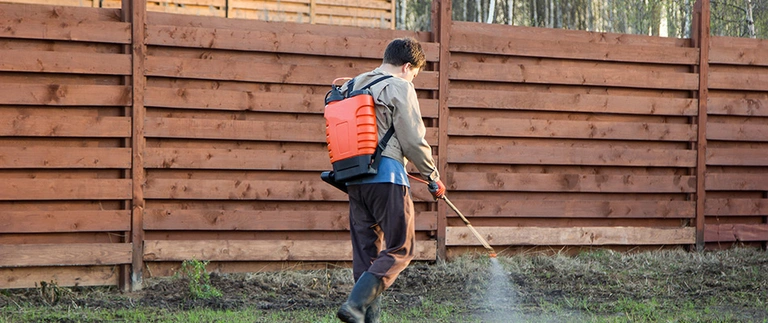
They help, with limits. Purdue's guide to barrier treatments for homeowners explains how they work. The treatment goes on the shaded places where adult mosquitoes rest during the day: shrubs, hedges, tree lines, and under decks and porches. It doesn't go on open lawn or concrete, because mosquitoes don't rest there. Product labels indicate the barrier lasts at least 21 days, so it needs to be reapplied every three to four weeks through the season.
Purdue is also clear about what these treatments don't do. They reduce bites, not disease risk. And spraying alone won't keep up if the property has a lot of places breeding new mosquitoes. That's why removing standing water matters as much as the treatment itself.
Purdue also says never to spray plants in bloom, because they attract pollinators.
Mosquito FAQ
When does mosquito season end in Indiana?
The state health department says the season runs from May to October and continues through the first hard freeze. Around Hamilton County, the average hard freeze comes around the end of October or the first week of November.
How fast can standing water produce mosquitoes?
The CDC says a Culex mosquito goes from egg to adult in 7 to 10 days, and the state health department says water as small as a bottle cap can breed them. Empty anything that holds water once a week.
Is West Nile virus common in Hamilton County?
West Nile is the most commonly reported mosquito-borne disease in Indiana, and positive mosquito samples have turned up in Hamilton County, including Carmel in July 2026. Most infected people never develop symptoms, and fewer than 1% become seriously ill.
How often do yard mosquito treatments need to be applied?
Purdue says barrier treatments last at least 21 days according to product labels, so they're reapplied every three to four weeks during the season. We treat on a 21-day schedule.
Why do I get bitten during the day?
The Asian tiger mosquito, which is present in Indiana, bites during the day, especially in shady spots. The Culex mosquitoes that carry West Nile mostly bite from dusk to dawn.
Sprout Lawn & Landscape offers mosquito control on a 21-day schedule from spring through fall in Noblesville, Carmel, Westfield, Fishers, Fortville, McCordsville, Cicero, and Geist. Get instant pricing online or call (317) 900-7151.