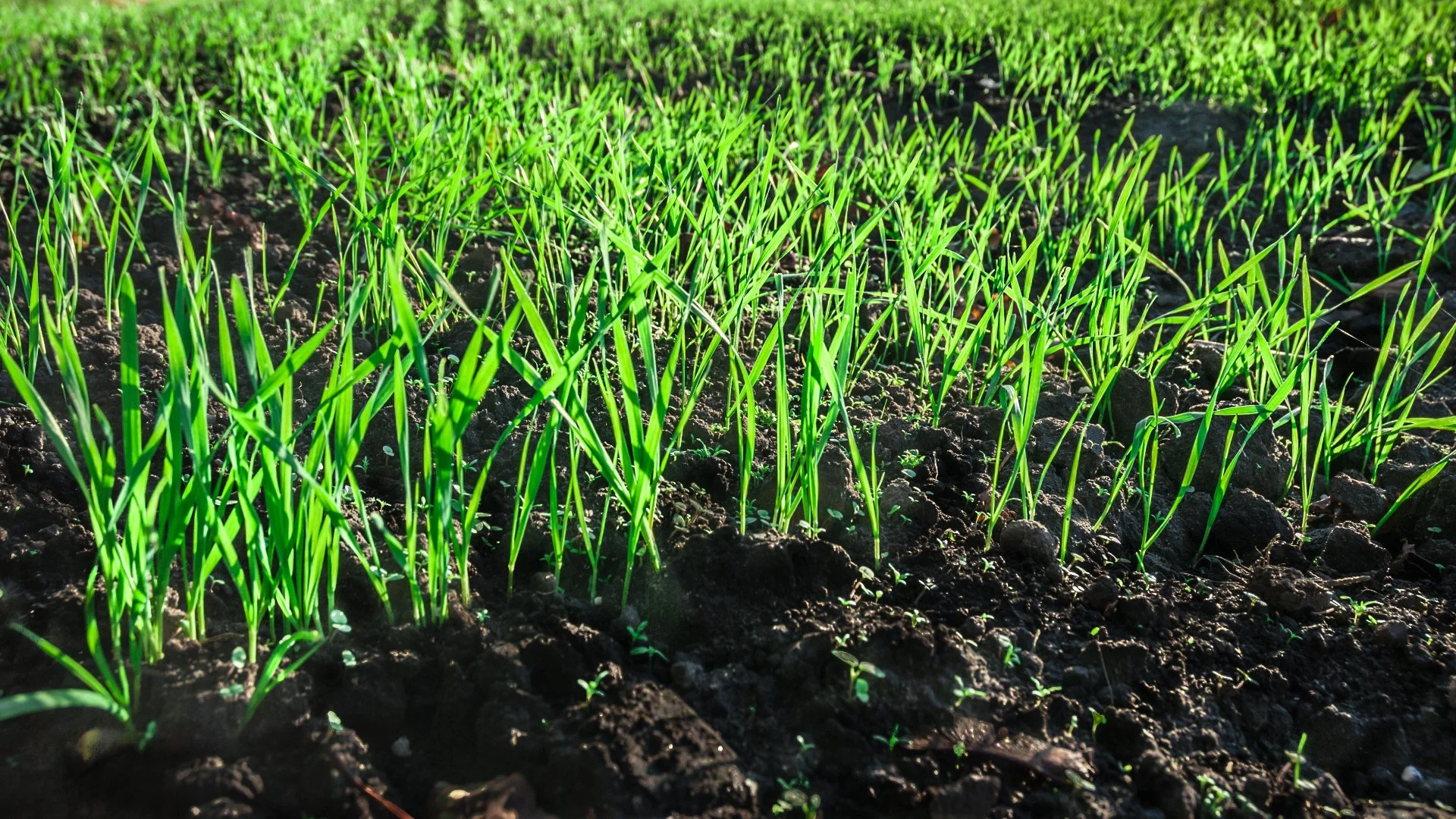
Maybe your builder left you with a thin excuse for a lawn that never filled in. Maybe you just finished a grading project, a pool installation, or a landscape renovation and you're staring at bare dirt. Whatever the reason, you need grass where there isn't any, and seeding is the most cost-effective way to get there.
New lawn seeding is different from overseeding an existing lawn. When you're starting from bare soil, the prep work matters more, the seed rate is higher, and the watering schedule during establishment is critical. We handle all of it: soil prep, seed selection, application, and guidance on aftercare so your new lawn actually takes.
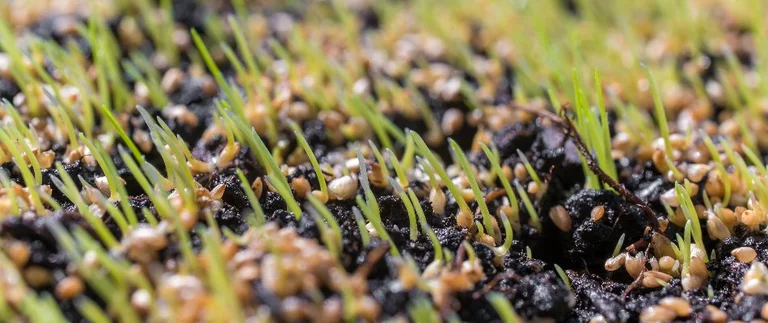
Seed won't germinate on hard, compacted ground. We prepare the soil surface to create good seed-to-soil contact, which is the single biggest factor in germination success. For new construction sites where the topsoil was stripped during grading, we may recommend adding topsoil or soil amendments before seeding.
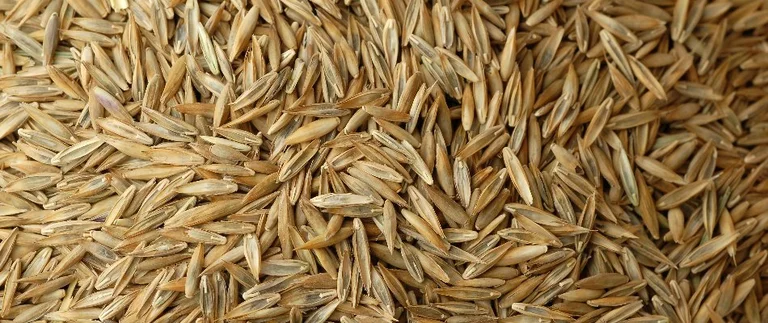
We use a blend of cool-season grasses suited for Hamilton County conditions: Kentucky Bluegrass for density and self-repair, Tall Fescue for drought tolerance and deep roots, and Perennial Ryegrass for fast germination and quick color. The exact blend depends on your property's sun exposure, soil type, and intended use.
We apply seed at the appropriate rate for new establishment (higher than overseeding rates) and provide you with a clear watering schedule. New seed needs consistent moisture to germinate, typically light watering two to three times per day for the first few weeks. We walk you through exactly what to do and when.
Late August through mid-October is the ideal seeding window in Indiana. Cool air temperatures reduce stress on young seedlings, warm soil promotes fast germination, and fall rains help with establishment. Spring seeding (April through mid-May) is possible but riskier, since the new grass has to survive its first summer before the root system is fully developed.
Choose seeding if: you're working within a tighter budget, you have the patience to wait 8 to 12 weeks for full establishment, and you want more control over the grass variety blend. Seeding costs significantly less per square foot than sod and produces a lawn with a deeper root system over time because the grass grows in place from the start.
Choose sod if: you need an instant lawn, the area is on a slope where seed would wash away before germinating, you're working on a timeline (selling a home, preparing for an event), or you simply don't want to manage the watering schedule that new seed requires.
Not sure which makes sense for your situation? Give us a call at (317) 900-7151 and we'll walk through the options with you. We do both.
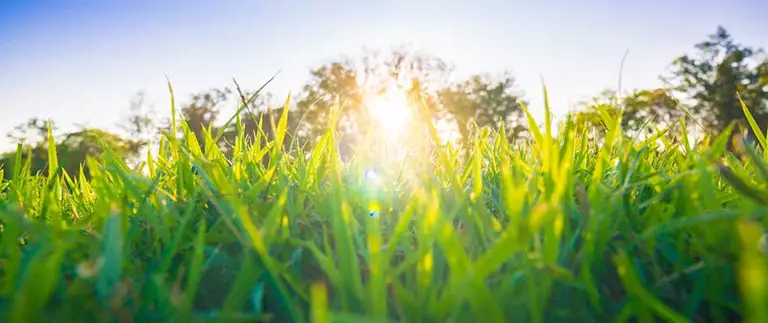
Late August through mid-October. Cooler air temperatures, warm soil, and fall rains create the best germination conditions for cool-season grasses. Spring seeding (April through mid-May) is possible but riskier because the grass has to survive its first summer before the root system is fully developed.
New lawn seeding is for bare ground with no existing turf, like new construction, regrading, or areas where the old lawn was removed. Overseeding is for existing lawns that are thin and need thickening. New seeding requires more soil prep, a higher seed rate, and a more intensive watering schedule during establishment.
Seeding is less expensive and gives you more control over the grass variety. Sod gives you an instant lawn but costs more per square foot. Seeding works best when you have time to wait 8 to 12 weeks for establishment. Sod is the better choice if you need immediate coverage, are on a slope, or don't want to manage the daily watering schedule new seed requires.
You'll see initial germination within 7 to 21 days depending on the grass species. Perennial Ryegrass comes up fastest (5 to 10 days), followed by Tall Fescue (10 to 14 days), with Kentucky Bluegrass the slowest (14 to 21 days). The lawn will look thin at first. Full establishment takes 8 to 12 weeks with proper watering.
Yes. New construction seeding is one of our most common requests in Westfield and McCordsville, where new subdivisions are going up constantly. Builder-grade lawns are often seeded on stripped or compacted subsoil and need help getting established. We also serve Noblesville, Carmel, Fishers, Fortville, and CiceroGeist.
Tell us about your property and we'll recommend the right approach. We serve residential and commercial properties across Noblesville, Carmel, Westfield, Fishers, Geist, and surrounding Hamilton County communities.