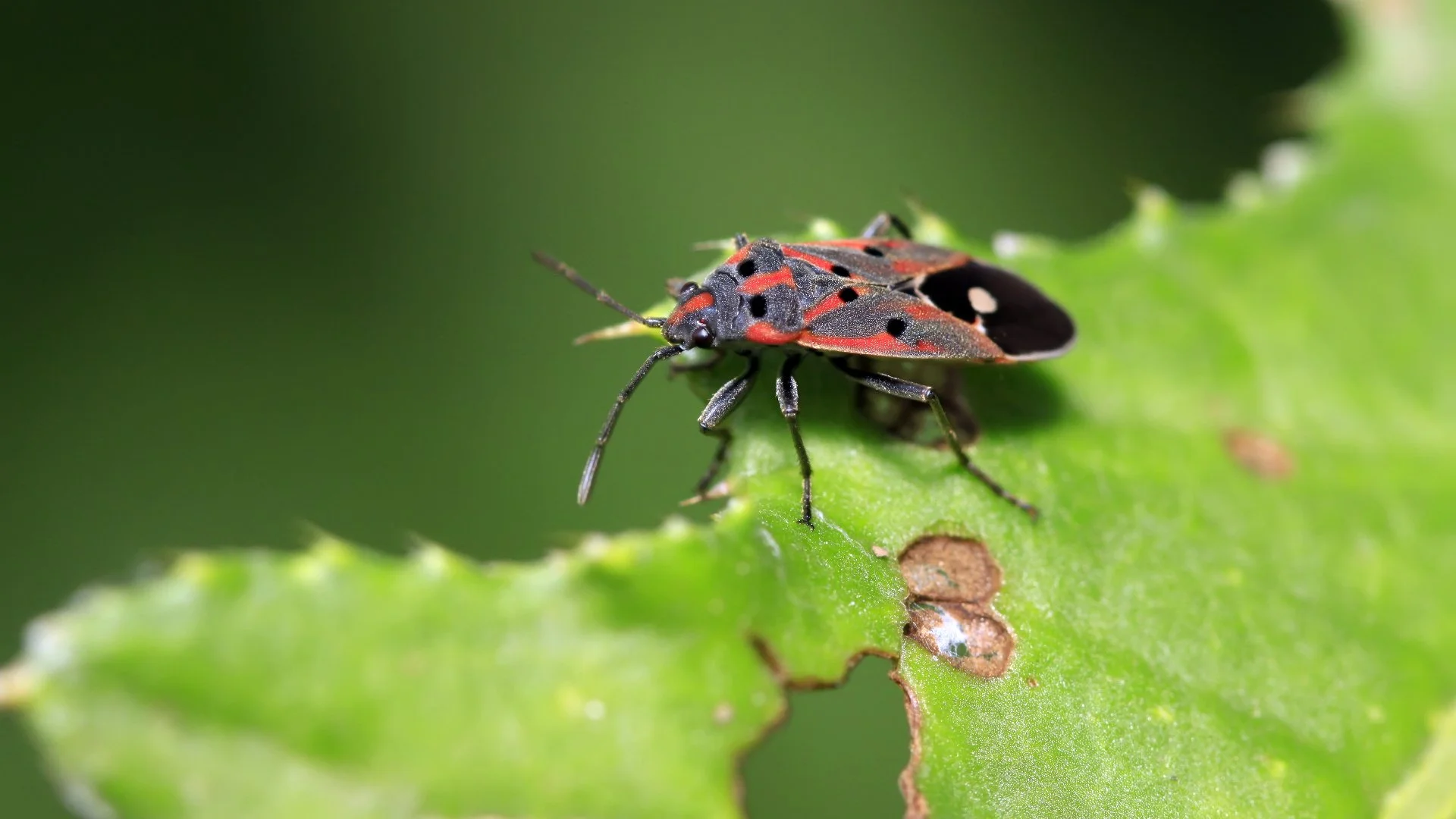
Every summer, homeowners across Hamilton County watch sections of their lawn turn brown and assume it's drought stress. They water more. Nothing changes. The brown patches keep growing. That's the signature of a chinch bug infestation, and by the time most people realize what's happening, significant damage is already done.
Chinch bugs are tiny insects that pierce grass blades, suck out the plant juices, and inject a toxin that prevents the grass from absorbing water. The turf yellows, browns, and dies in irregular patches that expand outward from the initial colony. Without treatment, they can destroy large sections of lawn in a matter of weeks during hot, dry weather.
Chinch bug damage looks a lot like drought stress at first glance, which is why it goes undiagnosed so often. Here's how to tell the difference:
Drought stress affects the entire lawn more or less evenly, and the grass recovers within a day or two of watering. Chinch bug damage appears in irregular, expanding patches, usually starting in the sunniest, hottest areas of your yard, often near sidewalks, driveways, and south-facing slopes where heat radiates off the hardscape. The grass does not recover with watering.
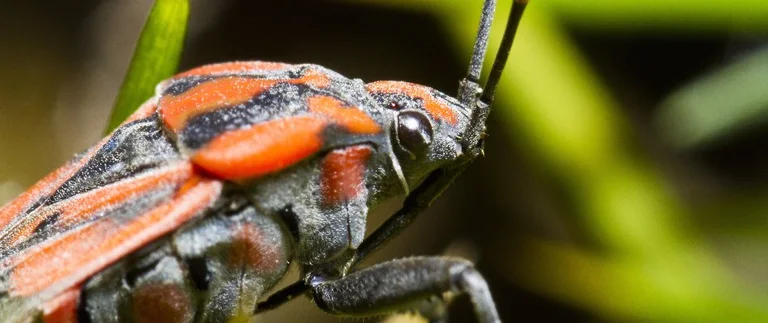
If you get down at the edge of a damaged area where brown turf meets green, you can often see the bugs themselves. Adult chinch bugs are about the size of a grain of rice, black with white wings. The nymphs are smaller and reddish-orange. They're most active in the heat of the afternoon.
We apply a targeted insecticide to the affected areas and the surrounding turf to kill active chinch bugs and stop them from spreading into healthy grass. We also assess the overall condition of your lawn and recommend follow-up care. Severely damaged areas may need aeration and overseeding in the fall to fill back in, and a strong fertilization program helps the remaining turf recover faster.
Chinch bugs target stressed, weakened turf. A lawn that's mowed too short, under-fertilized, or growing in compacted soil is far more vulnerable than a thick, well-maintained lawn. The best long-term protection against chinch bugs is the same thing that makes your lawn look good in the first place:
Proper mowing height. We mow at 3.75 to 4 inches to keep turf dense and shaded at the soil level. Consistent fertilization. A well-fed lawn has the resources to tolerate stress and recover from damage. Fall aeration and overseeding. Thick turf with deep roots is far more resilient to insect pressure than thin, shallow-rooted grass.
If you've had chinch bug problems in previous years, they'll likely come back. The eggs overwinter in thatch and hatch the following summer. Proactive monitoring and early treatment are the best way to catch a new infestation before it causes major damage. If you're also seeing other pest issues, we offer flea and tick control and mosquito control as well.

Chinch bugs pierce grass blades, suck out the plant juices, and inject a toxin that prevents the grass from absorbing water. The result is irregular patches of yellowing, browning turf that keeps spreading outward from the initial colony. Left untreated, they can kill entire sections of lawn within weeks during hot, dry weather.
Late June through August, during the hottest and driest stretches of summer. They thrive in full sun and prefer stressed, dry turf. Damage typically appears first in the sunniest areas of your yard, especially near sidewalks and driveways where heat radiates off the hardscape.
Drought-stressed grass recovers when you water it. Chinch bug damage does not. If you're watering consistently and still seeing expanding brown patches, especially in sunny areas near pavement, chinch bugs are a likely cause. Get down low at the edge of a brown patch and look for tiny black insects with white wings in the transition zone where brown meets green.
We apply a targeted insecticide treatment to the affected areas and surrounding turf to kill active chinch bugs and prevent them from spreading. We also evaluate the health of your lawn and recommend follow-up care like aeration and overseeding or fertilization to help damaged areas recover.
They can. Chinch bug eggs overwinter in lawn thatch and hatch the following summer. If you've had an infestation before, proactive monitoring and early treatment in subsequent years are the best way to catch a new outbreak before it causes major damage. A thick, healthy, well-maintained lawn is also much more resistant to future infestations.
Don't wait for the damage to spread. Contact us for an assessment and treatment plan. We serve residential and commercial properties across Noblesville, Carmel, Westfield, Fishers, Geist, and surrounding Hamilton County communities.