January 30, 2026 · Fertilization & Weed Control
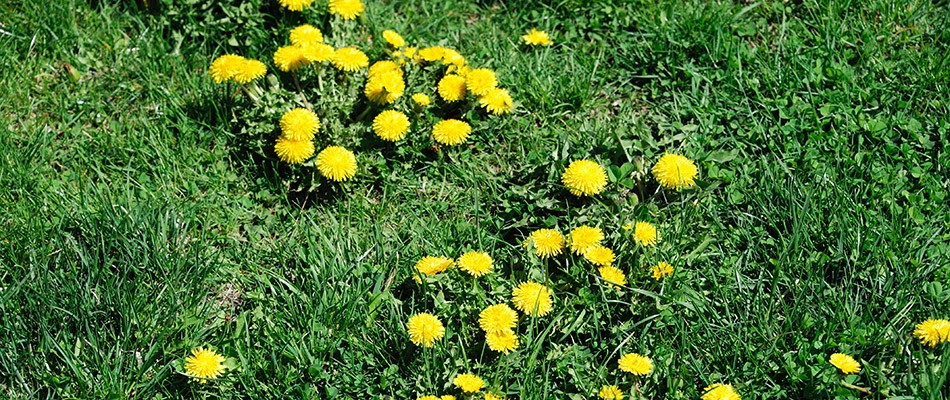
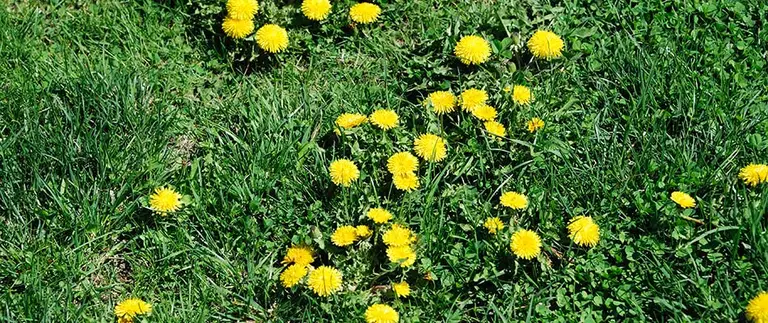
You walk the lawn one Saturday morning, count a dozen dandelions and a patch of clover by the mailbox, and decide this is the weekend you handle it. You drive to the hardware store, grab a bottle of something with "kills weeds" on the label, and spray it everywhere. Two weeks later, the dandelions are back, the clover didn't flinch, and there's a dead patch in the lawn where you sprayed too heavy.
It's one of the most common mistakes homeowners in Noblesville and Carmel make every spring. Here's why the DIY approach usually doesn't work the way the bottle promises.
You're Using the Wrong Product
Hardware store shelves have dozens of weed control products, and most homeowners grab whatever has the most aggressive marketing on the label. The problem is that different weeds require different chemicals. A broadleaf herbicide that kills dandelions won't touch nutsedge or crabgrass. A non-selective herbicide (like glyphosate) kills everything it touches, including your grass. Weed-and-feed products try to do two things at once and often do neither well.
Professional weed control programs use targeted products matched to the specific weeds present on your property. We identify what's growing, select the right chemistry for that weed type, and apply it at the rate and timing that gives the best kill without damaging the turf. A single bottle from the hardware store can't do that.
Timing and Temperature Matter
Most post-emergent herbicides work best when applied during active weed growth, in moderate temperatures between 60 and 85 degrees. Apply them when it's too hot and they stress the grass. Apply them when the weeds aren't actively growing and the chemical doesn't translocate through the plant effectively, meaning the weed wilts but doesn't die at the root.
Pre-emergent herbicides are even more timing-sensitive. They need to go down before weed seeds germinate, which in central Indiana means late March to mid-April for crabgrass prevention. Miss that window by a couple of weeks and the product is useless because the seeds have already sprouted. Most homeowners don't apply pre-emergent until they see weeds, which is exactly when it's too late for it to work.
Overapplication Damages the Lawn
When a homeowner sprays weed killer, the natural instinct is "more is better." If the label says one pass, they do two. If it says 2 ounces per gallon, they use 4. The result is chemical burn on the turf surrounding the weeds. You end up with brown circles where you were trying to kill individual weeds, and those burned spots become bare soil that, you guessed it, new weeds colonize.
Granular weed-and-feed products have the same problem. Spreading them unevenly means some areas get double the dose while other areas get almost nothing. Overlap on the spreader passes creates visible dark green stripes next to lighter stripes, or worse, burned-out streaks across the lawn.

It Doesn't Address the Real Problem
Weeds are a symptom. A thick, healthy lawn naturally resists weed invasion because dense turf doesn't leave room for weed seeds to germinate. If your lawn has a significant weed problem, the real issue is usually thin turf caused by compacted soil, inadequate fertilization, improper mowing, or a combination of all three.
Spraying weeds without addressing why the lawn is thin enough for weeds to establish is like mopping the floor while the faucet is still running. The weeds keep coming back because the conditions that allowed them are still there. A proper lawn care program that includes aeration, consistent fertilization, and proper mowing builds the kind of turf that crowds weeds out naturally.
The Math Works Out
By the time you buy two or three different products over the course of a season, replace the grass you burned, and spend your weekends spraying instead of enjoying your yard, you've often spent close to what a professional program costs. The difference is the professional program actually works. We use commercial-grade products at calibrated rates, applied on a schedule based on soil temperatures and weed growth stages across Fishers, Westfield, and the rest of Hamilton County.
If your DIY approach isn't cutting it, give us a call. (317) 900-7151 or get instant pricing online.