October 10, 2024 · Fertilization & Weed Control
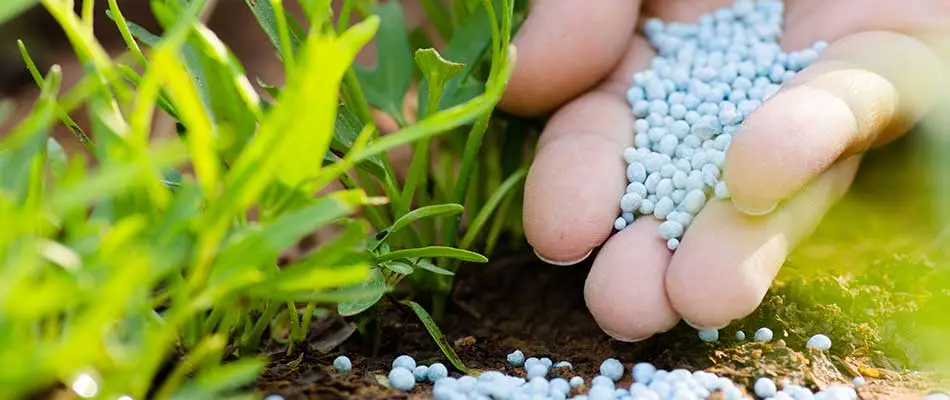
If there's one fertilizer application you absolutely should not skip, it's the winterizer. It's the last treatment your lawn gets before going dormant for the winter, and it's the one that determines how fast, how green, and how thick the grass comes back in spring. Here's what it does, when to put it down, and why the timing matters in Hamilton County.
What Winterizer Actually Does
Winterizer fertilizer is different from the spring and summer blends. It's typically higher in potassium, which strengthens cell walls, improves the plant's tolerance to cold temperatures, and helps the grass store carbohydrates in its root system. Think of it as the meal your lawn eats before a long hibernation.
Those stored carbohydrates are the energy reserves the grass draws on during dormancy. When temperatures warm up in March and April, the plant uses those reserves to push rapid new growth. A lawn that was properly winterized comes back fast, thick, and green, often weeks ahead of neighboring lawns that didn't get the application. It also greens up uniformly instead of in uneven patches.
A lawn that skipped the winterizer enters dormancy running on empty. It comes back slowly, unevenly, and with thinner turf that gives weeds like crabgrass and dandelions an early-season opening.
Timing: Late October to Mid-November in Hamilton County
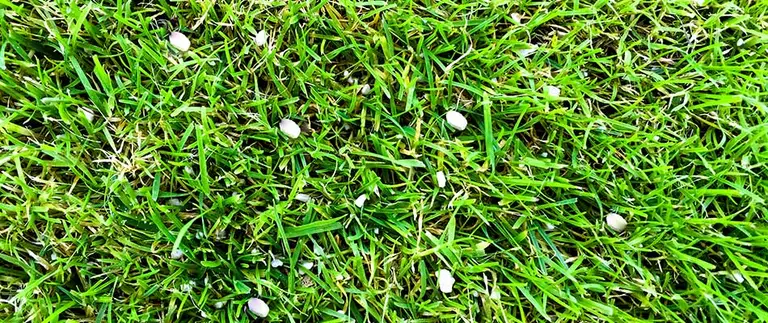
The window for winterizer in the Noblesville, Carmel, Westfield, and Fishers area is late October through mid-November. You want to apply it after the grass has slowed its top growth (you're barely mowing at this point) but while the roots are still active and absorbing nutrients. The lawn should still be green, just not growing much above ground.
Too early (September or early October) and the grass uses the nutrients for blade growth instead of root storage. You get a flush of top growth when you should be encouraging the plant to put energy underground. Too late (December) and the ground is frozen and the root system has shut down. The fertilizer just sits on the surface doing nothing until it washes away.
The sweet spot is when you're doing your last mow or two of the season. If you're still mowing regularly, it's too early. If you haven't mowed in three weeks, it might be too late.
Winterizer Is Not the Same as Fall Fertilizer
This is a common confusion. A good fertilization program includes a fall fertilizer in September or early October that feeds the grass during its peak fall growing period. That's separate from the winterizer, which goes down later with a different purpose. Fall fertilizer feeds active growth. Winterizer builds storage reserves. You need both.
Pair It With Fall Aeration for Maximum Impact
Winterizer is most effective when the soil isn't compacted. If you aerate in early fall, the channels left by the aerator let the winterizer penetrate deeper into the root zone instead of sitting on the surface. Aeration in September, fall fertilizer in early October, winterizer in late October or early November. That's the sequence that produces the best results for Hamilton County lawns.
Don't DIY the Timing
Getting the timing right requires watching soil temperatures, grass growth rates, and weather patterns. Apply too early after a warm October and you'll trigger unnecessary top growth. Wait too long after an early cold snap and the window is closed. This is one of the main reasons homeowners who handle their own mowing still hire a professional for fertilization. The products are available at any hardware store, but knowing when to apply them is the difference between results and wasted money.
We handle full-season fertilization programs for homes and businesses across Noblesville, Carmel, Westfield, Fishers, and surrounding communities. Call (317) 900-7151 or get instant pricing online.