February 24, 2026 · Lawn Care
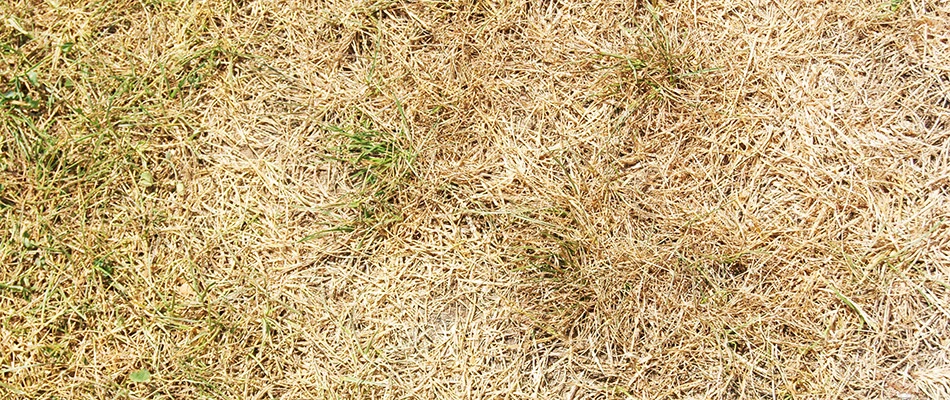
Central Indiana doesn't get drought conditions every summer, but when it does, it's brutal. The rain shuts off in late June, temperatures stay above 90 for weeks, and the clay soil across Hamilton County bakes into something closer to pottery than dirt. Lawns in Noblesville, Carmel, and Fishers turn brown seemingly overnight. And homeowners panic.
Before you do something drastic, here's what's actually happening and what you should (and shouldn't) do about it.
Brown Doesn't Mean Dead
The cool-season grasses grown in Indiana, mostly tall fescue and Kentucky bluegrass, have a built-in survival mechanism. When heat and drought stress get severe, the grass goes dormant. It stops growing, the blades turn brown, and the plant channels all its remaining energy into keeping the crown and root system alive. It looks dead, but it isn't. A healthy, well-maintained lawn can survive dormancy for 4 to 6 weeks without permanent damage.
The key word is "healthy." A lawn that went into summer with strong roots, proper fall care the previous year, and a solid fertilization program has deep enough roots to survive extended dry periods. A lawn that was already thin and weak going into summer has much less reserve and may not bounce back as completely.
Don't Overreact with the Hose
The worst thing you can do is water inconsistently. Watering just enough to break dormancy, then letting the lawn dry out again, then watering again is far more stressful than simply letting the grass stay dormant. Every time you bring the lawn out of dormancy and then let it dry out, you burn through the plant's energy reserves. You're basically forcing it to wake up and then starving it again.
If you have irrigation and want to keep the lawn green, commit to a consistent schedule of about 1 to 1.5 inches per week. Water deeply 2 to 3 times per week in the early morning. If you don't have irrigation or don't want the water bill, it's perfectly fine to let the lawn go dormant. Just give it about half an inch of water every 2 to 3 weeks to keep the crowns alive. That minimal amount won't green the lawn up, but it keeps the plant from dying entirely.
Raise Your Mowing Height
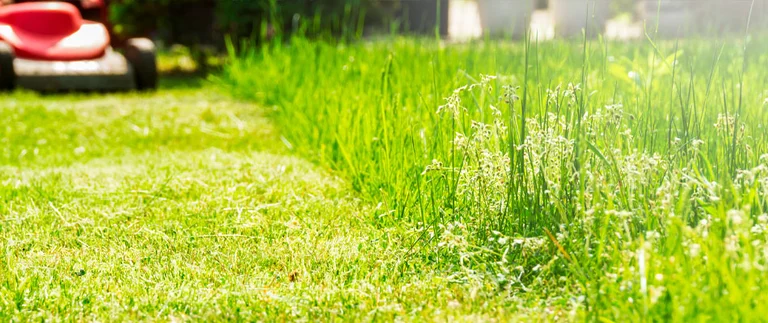
If your lawn is still getting mowed during a drought, raise the deck. Taller grass shades the soil surface, which reduces moisture loss and keeps soil temperatures lower. During drought, we recommend cutting at 4 inches, even if you normally mow at 3.5. That extra half inch makes a real difference in how fast the soil dries out between waterings or rain events.
Also, don't mow dormant grass. If the lawn has gone brown and stopped growing, there's nothing to cut. Running a mower over crispy, dormant turf just tears at the blades and stirs up dust. Wait until the grass breaks dormancy and starts growing again before resuming your mowing schedule.
Don't Fertilize During a Drought
Fertilizer pushes growth. During a drought, you don't want growth. The grass is trying to conserve energy and water, and fertilizer forces it to do the opposite. Applying fertilizer to a drought-stressed lawn can burn the turf and cause more damage than the drought itself. Hold off on any granular or liquid applications until the lawn has access to consistent moisture again, either from rainfall or irrigation.
Weed treatments are a different conversation. Weeds like crabgrass and nutsedge actually thrive in heat and drought conditions while your lawn grass struggles. Targeted spot treatments can still be applied carefully during dry spells, but blanket applications should wait for cooler, wetter conditions.
Plan for the Recovery
Once the rain returns, usually by mid-September in Indiana, the lawn will start waking up on its own. This is when you hit it with everything it needs. Fall is the ideal time for core aeration and overseeding to fill in any areas that didn't survive, followed by a winterizer fertilizer application to rebuild root strength. Properties across Westfield and McCordsville that take advantage of fall recovery after a drought summer come back thicker the following spring than they were before the drought.
If your lawn took a beating this summer and you're not sure where to start, call (317) 900-7151 or request an estimate. We'll evaluate what survived and build a recovery plan.