March 14, 2026 · Lawn Care
It starts with a reasonable thought. Money's tight, the lawn looks okay-ish, and you figure you can skip the fertilizer this year, maybe mow it yourself every couple of weeks, and pick everything back up next season. Plenty of homeowners across Noblesville and Carmel have the same idea every spring. The problem is, lawns don't pause. They either move forward or they fall apart, and one skipped season can set you back two years.
Weeds Don't Take a Year Off
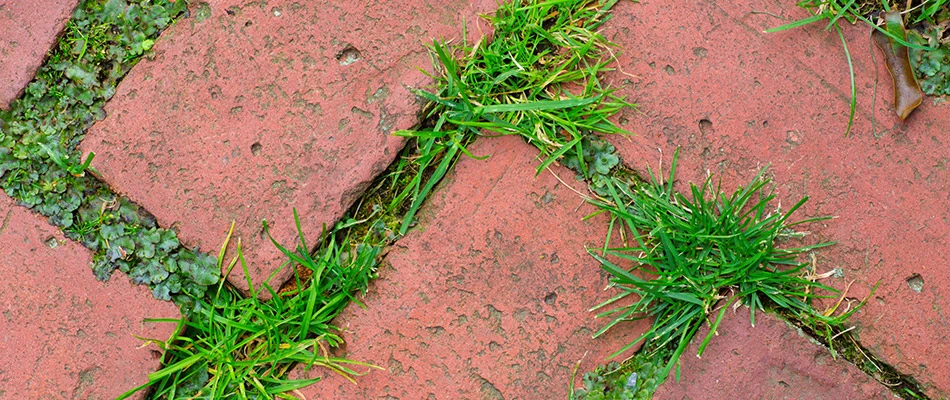
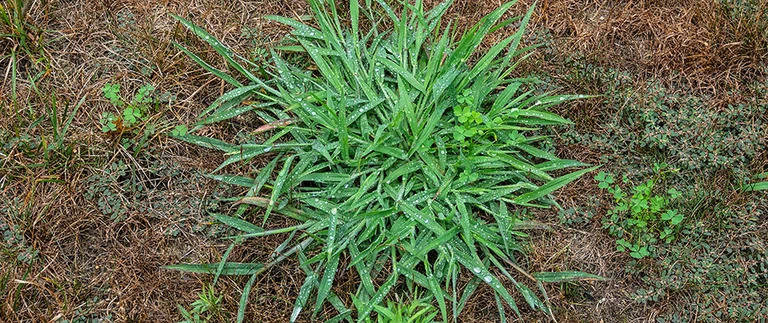
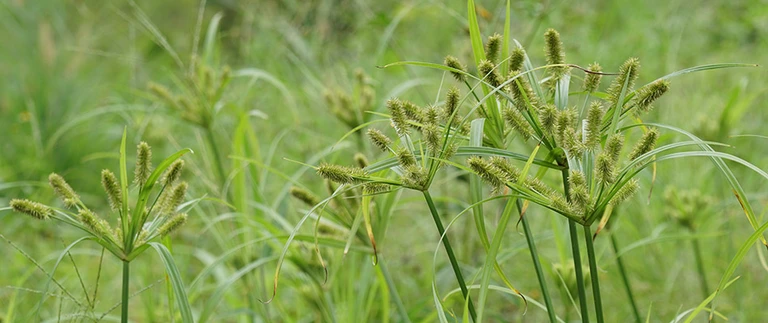
This is the biggest one. The moment you stop treating for weeds, they fill every gap your grass leaves open. Crabgrass, clover, dandelions, nutsedge, they were all waiting in the soil for an opportunity. Without pre-emergent and post-emergent treatments, those weed seeds germinate freely and establish root systems over the course of a single growing season.
Here's what makes it expensive: weeds don't just disappear when you restart service the following year. A lawn that was 10% weeds in April becomes 40% or more by September if nothing is applied. Getting that back under control takes multiple treatment rounds, and some weeds like nutsedge and wild violet are notoriously stubborn once established. You end up paying for a full season of aggressive treatment just to get back to where you were before you stopped.
The Grass Gets Thin and Weak
Fertilizer isn't optional for Indiana lawns. The cool-season grasses we grow here, tall fescue and Kentucky bluegrass, need consistent feeding to maintain density. Without it, the turf thins out over the course of a season. Individual plants produce fewer tillers, the canopy opens up, and bare soil becomes visible between grass blades.
Thin turf is an open invitation for everything you don't want. Weeds move in faster, disease has less competition, and the lawn becomes more susceptible to heat stress during Indiana's brutal summer months. That clay soil we deal with across Hamilton County compacts hard in the heat, and without a dense root system holding things together, the lawn deteriorates quickly once temperatures climb.
Recovering from a thinned-out lawn usually means aeration and overseeding in the fall, plus a full fertilization program to bring the new seed along. That's a bigger investment than the maintenance program you skipped in the first place.
Infrequent Mowing Makes It Worse
When people cut back on lawn care, mowing is usually the first thing that gets inconsistent. Instead of weekly cuts, it turns into every 10 days, then every two weeks, then whenever it rains and the grass shoots up to ankle height. Every time you let the grass get too tall and then chop it down, you're removing more than a third of the blade. That shocks the plant, weakens the root system, and leaves clumps of dead clippings sitting on the lawn that smother the grass underneath.
Inconsistent mowing also means the lawn never develops a consistent look. You alternate between overgrown and scalped, neither of which is healthy for the turf. And if you're not edging or trimming, the property starts looking unkempt fast, especially in neighborhoods around Fishers and Westfield where the houses on either side of you are getting regular service.
Pests and Disease Get a Foothold
A healthy, well-maintained lawn resists most pest and disease pressure on its own. Dense turf with strong roots can handle grub activity, fight off fungal infections, and bounce back from seasonal stress. A neglected lawn can't. Without regular feeding, proper mowing, and weed management, the lawn becomes vulnerable to problems that would have been minor issues on a healthy property.
Grubs feed on weakened roots. Brown patch and dollar spot attack stressed turf more aggressively. Chinch bugs thrive in thin, drought-stressed grass. Once these problems establish, treating them is an additional cost on top of everything else the lawn needs.
What One Skipped Season Actually Costs
Let's be direct about this. A year of basic lawn care, including mowing, fertilization, weed control, and a fall aeration, costs a predictable amount that you can budget for. Skipping that year and then trying to recover a lawn that's been overtaken by weeds, thinned out from no fertilizer, and stressed from inconsistent mowing typically costs 1.5 to 2 times what the original maintenance would have been. And it takes a full 12 to 18 months to get back to where you started.
We see it every spring. New customers call because their lawn fell apart last year and they want it fixed. We're happy to help, but we always level with them about the timeline. A neglected lawn doesn't bounce back in one treatment. It takes a structured plan, usually a full lawn care program combined with aeration, overseeding, and sometimes spot repairs for the worst areas.
If you're thinking about pausing service, talk to us first. We can often adjust a program to fit a tighter budget without abandoning the lawn completely. Call (317) 900-7151 or get a quick estimate online.