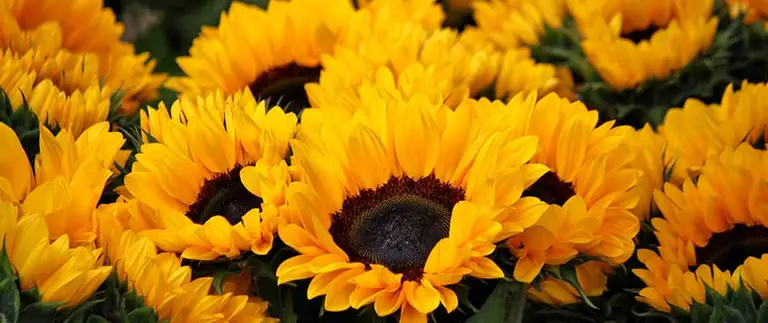
February 28, 2024 · Annual Flowers
Nothing transforms landscape beds faster than a round of fresh annual flowers. In the Noblesville area, spring planting typically happens after the last frost date in mid-May. Choose the right varieties for your specific conditions and you'll have color from planting through the first frost in October, roughly five months of blooms from a single planting.
Here are the six most popular spring annuals we install in Noblesville, Carmel, Westfield, and Fishers, along with where each one performs best.
1. Begonias
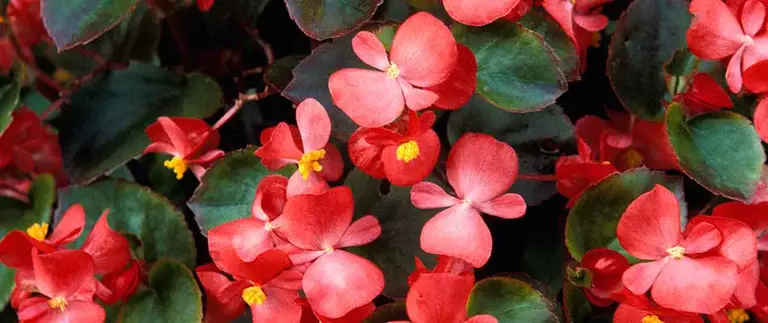
Begonias are the workhorse of shaded landscape beds in Hamilton County. Wax begonias handle both sun and shade, but they really shine in the partially shaded beds along the north side of homes and under tree canopy where sun-loving flowers would struggle. They come in red, pink, white, and bicolor varieties, and they bloom continuously from planting through frost with almost zero maintenance. No deadheading required.
Best for: shade to part-shade beds, low-maintenance plantings, consistent color all season.
2. Impatiens
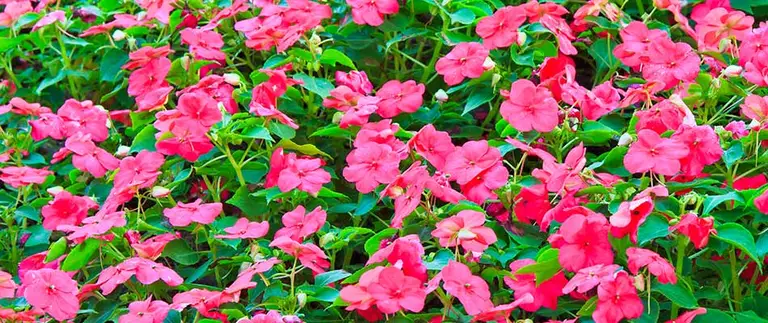
Impatiens are the #1 shade annual for a reason. They produce an incredible volume of blooms in shaded areas where most other flowers refuse to perform. Available in every color from white to deep red to coral and purple. New Guinea impatiens handle more sun than standard impatiens and produce larger flowers, making them a good choice for beds that get morning sun and afternoon shade.
Best for: deep shade, woodland garden edges, under mature trees.
3. Petunias
Petunias are the go-to sun annual. They produce waves of trumpet-shaped blooms in almost every color imaginable and bloom heavily all season. Wave petunias spread to cover large areas, making them excellent for filling beds with a carpet of color. Supertunia varieties are even more prolific. They do need full sun, at least 6 hours per day, to perform well.
Best for: full-sun beds, container plantings, window boxes, borders along driveways and walkways.
4. Geraniums
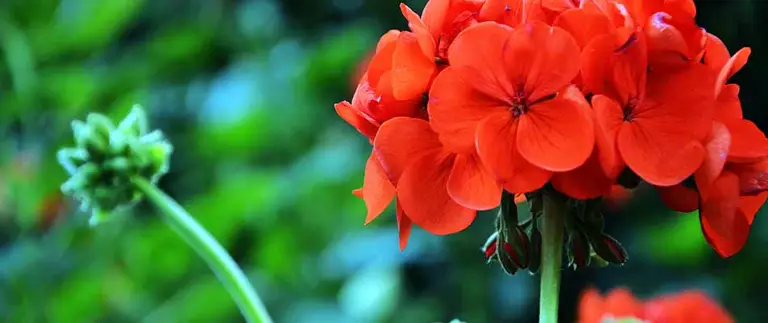
Geraniums are a classic for a reason. Large, round flower clusters in red, pink, salmon, white, and purple sit above dark green leaves with distinct zonation patterns. They're heat-tolerant, drought-tolerant once established, and look great in both beds and containers. Red geraniums at a front door or mailbox planting are about as timeless as it gets.
Best for: front door plantings, containers, mailbox beds, anywhere you want bold, reliable color.
5. Snapdragons
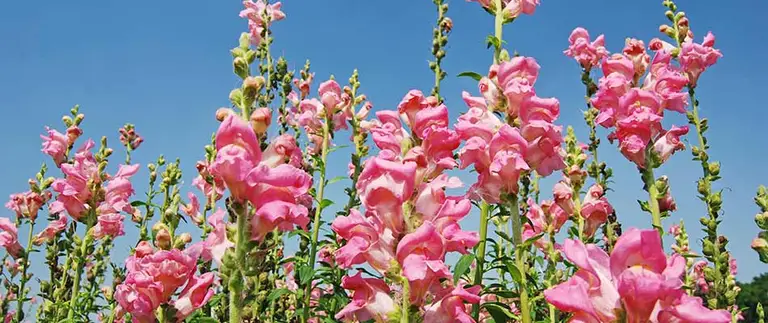
Snapdragons add vertical interest that most other annuals don't provide. Their tall, spiky flower stalks come in a range of heights from dwarf (6-8 inches) to tall (2-3 feet), and the color range is impressive: red, pink, yellow, orange, white, purple, and bicolor. They're cool-season annuals, meaning they perform best in spring and fall and may slow down during the hottest part of Indiana's summer.
Best for: adding height and visual variety to beds, cutting gardens, spring and fall color.
6. Marigolds
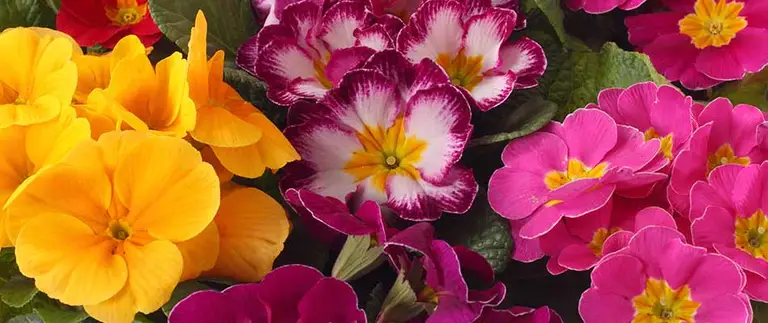
Marigolds are bulletproof. Full sun, heat, humidity, poor soil, inconsistent watering. They handle it all and keep blooming. Available in yellow, orange, gold, and bicolor varieties from compact French marigolds (8-12 inches) to tall African marigolds (up to 3 feet). They also naturally repel many garden pests, making them a popular companion planting choice.
Best for: full-sun beds, tough conditions, low-maintenance requirements, natural pest deterrent.
Timing and Care Tips
Hamilton County's average last frost date is around May 10-15, but we've seen hard freezes as late as the third week of May. Don't plant annuals until nighttime temperatures are consistently above 50 degrees. An early planting that gets hit by a late frost is money and time wasted. We typically start installing annuals for our customers in mid to late May and finish by early June.
Once planted, most annuals need about an inch of water per week. Mulching around the base of the plants conserves moisture and keeps roots cool during July heat. Deadheading spent blooms encourages more flowering on most varieties (begonias are the exception, they're self-cleaning). At the end of the season, when the first hard freeze kills the plants, we remove the dead annuals as part of our fall cleanup to keep beds clean heading into winter.
Ready to Add Color to Your Property?
Sprout Lawn & Landscape installs spring and fall annual flowers for homes and businesses across Noblesville, Carmel, Westfield, Fishers, and surrounding Hamilton County communities. We select varieties based on your specific bed conditions, not just whatever's on sale, and we handle the installation and removal at the end of the season.
Learn more about our annual flower service or call (317) 900-7151 to schedule a planting.