March 08, 2024 · Lawn Care
Spring in central Indiana isn't one season. It's three. March is still basically winter. April is unpredictable. May is when things finally take off. Your lawn needs different things in each phase, and getting the timing right is the difference between a lawn that's thick and green by Memorial Day and one that's still struggling to wake up.
Here's what to do and when to do it, based on how the season actually unfolds in Hamilton County.
March: Assess and Plan
Don't touch your lawn yet. The ground is still cold, the grass is dormant, and walking on frozen or soggy turf does more harm than good. March is for looking and planning.
Walk the property once the snow melts and look for winter damage. Note any bare patches, areas where leaves are still matted down, and spots where ice or salt caused damage along driveways and sidewalks. Check your landscape beds for dead branches, frost-heaved plants, and edges that have lost their definition.
Schedule your services. If you want professional mowing, fertilization, or a spring cleanup, book it now. Lawn care companies in Noblesville, Carmel, and Fishers fill up fast in March and early April. Don't wait until the grass is already growing to call.
April: Clean Up and Prevent
This is when the real work starts.
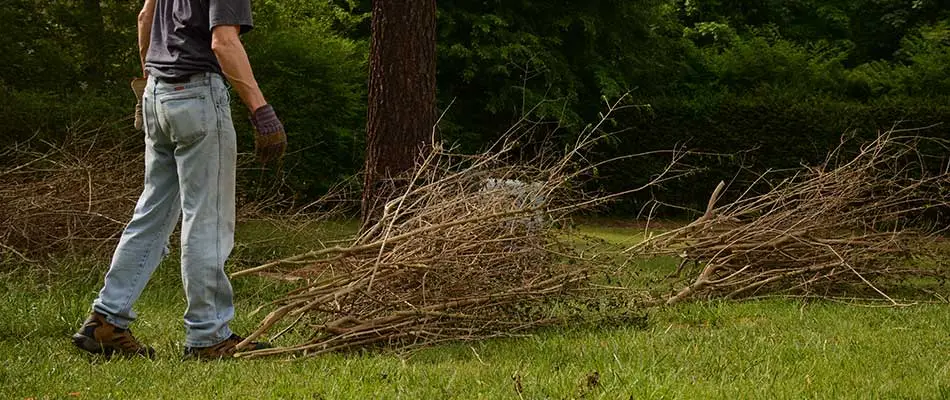
Spring cleanup. Clear all the winter debris: dead leaves, fallen branches, matted grass, and anything else that's sitting on the lawn or in your beds. Matted leaves left on the grass smother new growth and encourage fungal disease. Re-edge your landscape beds to give them a clean border.
Pre-emergent weed control. This is the most time-sensitive item on the list. Pre-emergent herbicide needs to go down when soil temperatures reach about 55 degrees for several consecutive days. In Hamilton County, that's usually early to mid-April. Apply it too late and crabgrass seeds have already germinated. Apply it too early and it breaks down before the germination window. Timing is everything.
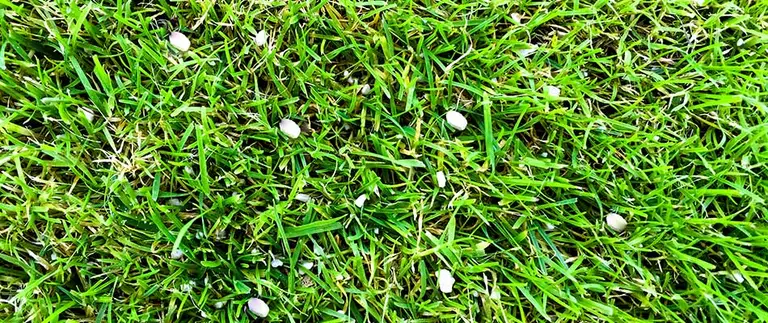
First fertilizer application. Your lawn is waking up from dormancy and needs fuel. A spring fertilizer gives the grass the nitrogen it needs to start growing strong. This typically goes down at the same time as the pre-emergent.
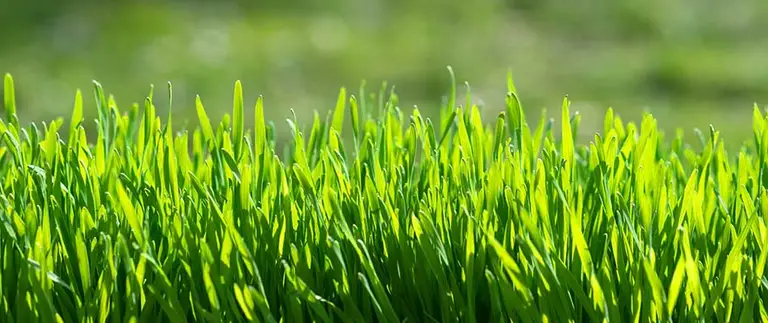
First mow. The first mow of the season in Hamilton County is usually the third or fourth week of April, depending on the weather. Mow at 3.75 to 4 inches. Do not scalp the lawn. That first cut should just take the tips off to clean things up.
May: Build Momentum
Weekly mowing begins. By May, cool-season grasses are growing fast. Weekly mowing keeps you within the one-third rule and prevents the lawn from getting away from you.
Fresh mulch. Mulch your landscape beds in early to mid-May once the soil has warmed up. A 2 to 3 inch layer suppresses weeds, retains moisture, and makes everything look finished. This is the single fastest way to boost your curb appeal.
Shrub trimming. Spring-blooming shrubs should be trimmed after they finish flowering. Non-blooming evergreen hedges can be shaped now to keep them tight for summer.
Address bare spots. If you have areas that didn't come back from winter, May is an acceptable (though not ideal) time to do spot seeding with a fast-germinating mix like Perennial Ryegrass. For larger bare areas, wait for fall overseeding when conditions are better for establishment, or consider sod if you need immediate coverage.
The Bottom Line
Spring lawn care in Indiana comes down to timing. Clean up early, get the pre-emergent down at the right soil temperature, feed the lawn, mow consistently, and mulch the beds. Do those five things in the right order and your property will look noticeably better than your neighbor's by June.
If you'd rather have us handle it, we serve Noblesville, Carmel, Westfield, Fishers, and the rest of Hamilton County. Call (317) 900-7151 or get instant pricing online.