November 20, 2023 · Snow Removal
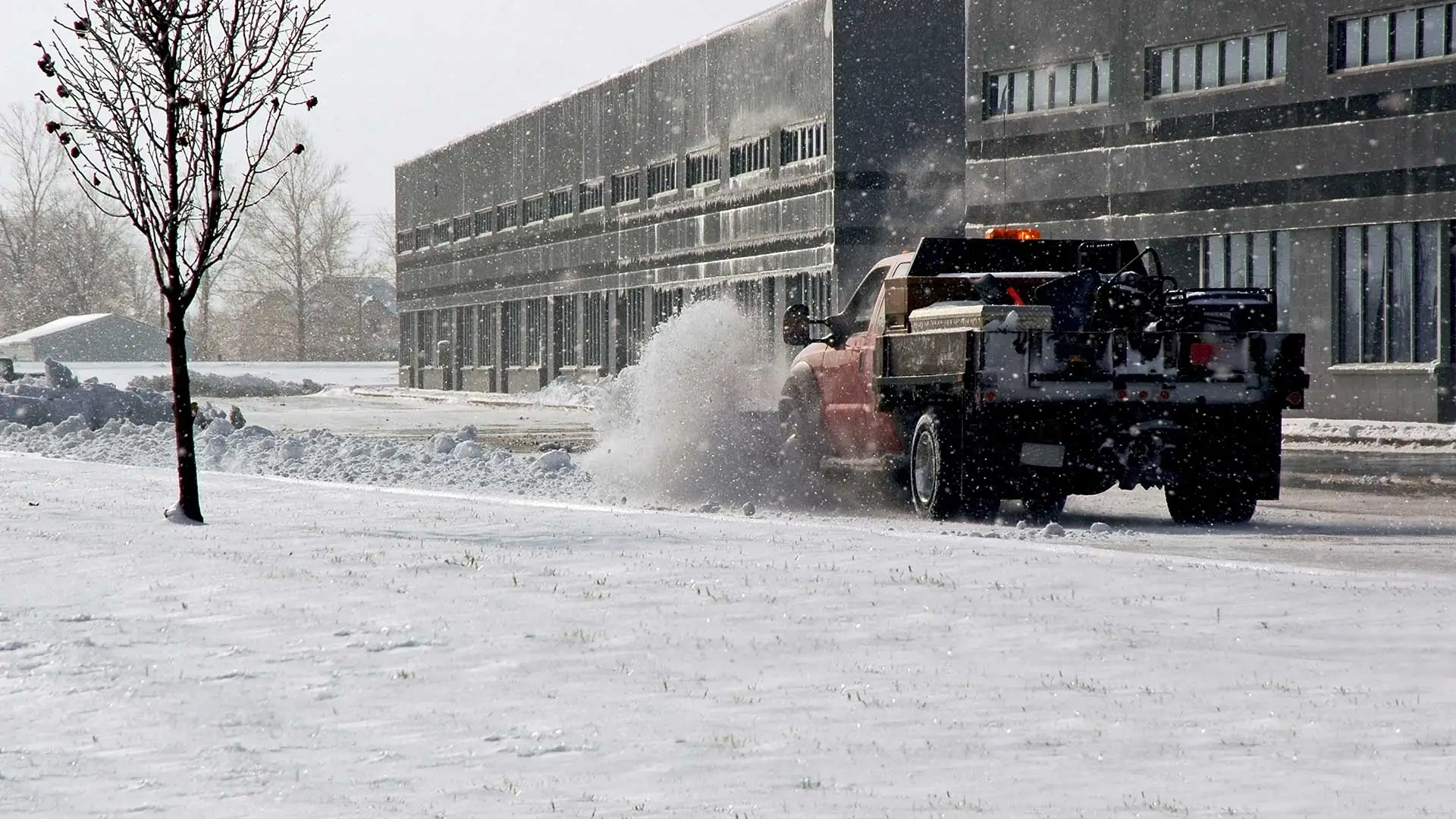
Commercial snow removal isn't optional in Indiana. It's a liability issue. If someone slips and falls on your property because the parking lot wasn't cleared or the sidewalks weren't salted, you're exposed. Property managers, business owners, and HOA boards need a plan in place before the first snowfall, not after.
Here's what to get right for commercial properties in Noblesville, Carmel, Westfield, Fishers, and surrounding Hamilton County. Whether you're managing a retail center along the Meridian Street corridor, an office park in Fishers, an apartment complex in Westfield, or an HOA common area in Noblesville, the principles are the same.
Have a Contract in Place Before November
The worst time to find a snow removal company is during the first storm. By then, every reputable provider is fully booked and you're left scrambling. Get a contract signed by early November at the latest. This guarantees you have a crew committed to your property when the snow starts.
A good contract should specify: trigger depth (how many inches of snow before service begins), response time (how quickly the crew arrives after the trigger depth is reached), scope of work (parking lots, sidewalks, entrances, loading docks), salt/deicing included or separate, and pricing structure (per push, per event, or seasonal flat rate).
Timing Is Everything for Liability
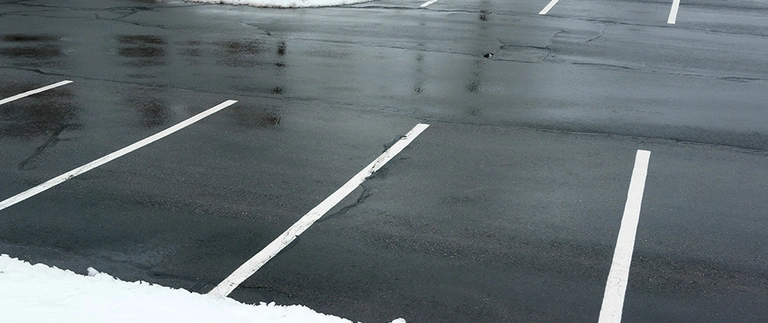
Your business opens at 8 AM. That means the parking lot and walkways need to be clear and treated by 7:30. For a heavy overnight snowfall, that might mean your snow removal crew is on site at 4 or 5 AM. Make sure your provider understands your operating hours and commits to clearing before your first employees, customers, or tenants arrive.
For properties with 24-hour traffic (apartment complexes, medical facilities, convenience stores), the plan needs to account for continuous clearing during heavy events, not just one pass at the end of the storm.
Don't Skimp on Deicing
Plowing removes the bulk of the snow. Deicing handles the thin layer of ice and packed snow that the plow can't scrape off. That layer is what causes slip-and-fall injuries. Budget for deicing on every event, not just the heavy ones. A light dusting of snow that melts and refreezes overnight can create more dangerous conditions than a 6-inch storm that gets plowed cleanly.
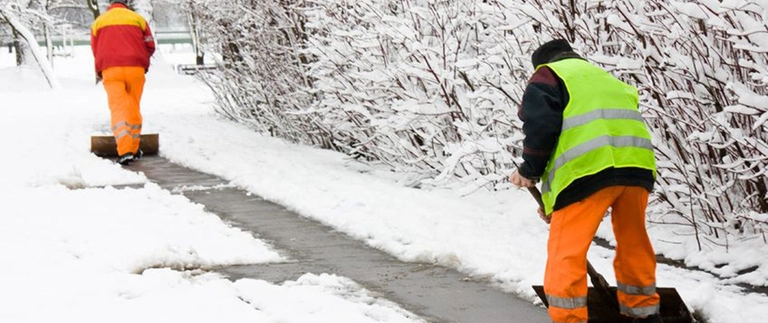
Be aware of where salt runoff goes. Excess salt damages landscaping, concrete, and can contaminate stormwater systems. A good provider uses the right amount of product in the right places, not just blankets the entire property.
Document Everything
In the event of a slip-and-fall claim, documentation is your defense. Keep records of every snow event: when it started, when your provider arrived, what was done, and when the property was cleared. Many commercial snow removal companies provide service logs after each event. If yours doesn't, ask for them.
Photos with timestamps are valuable. Take a photo of the cleared lot and walkways after each service. This takes 30 seconds and could save you thousands in a liability dispute.
Plan for Where the Snow Goes
Snow has to go somewhere. On commercial properties, that means designated snow stacking areas that don't block parking spaces, fire lanes, handicap access, dumpster access, or sight lines at intersections. Discuss stacking locations with your provider before the season starts so the first storm doesn't create a secondary problem.
Choose a Provider Who Does More Than Plow
The best commercial snow removal providers also handle your property during the other three seasons. A company that does your grounds maintenance year-round already knows your property layout, your tenant expectations, and your budget. They're invested in the relationship, not just looking for winter income.
Sprout Lawn & Landscape provides commercial snow removal throughout Hamilton County. Call (317) 900-7151 to get a contract in place before the season starts.