July 25, 2023 · Lawn Care
Whether you're building a new home, dealing with a lawn that's beyond saving, or renovating after construction damage, at some point you have to decide: sod or seed?
Both produce a good lawn when done correctly. The right choice depends on your timeline, budget, the time of year, and how much patience you have. Here's an honest comparison for homeowners in the Noblesville, Carmel, Westfield, and Fishers area.
Cost
Seeding costs significantly less than sod. For a typical Hamilton County residential lawn, seeding (including soil prep and professional-grade seed) runs roughly 1/3 to 1/2 the cost of sod installation. If budget is the primary factor, seeding wins.
Sod costs more because you're paying for mature grass that was grown on a farm for over a year, harvested, transported, and installed. The material cost alone is several times more than seed, and the labor to lay it properly adds to that.
Timeline
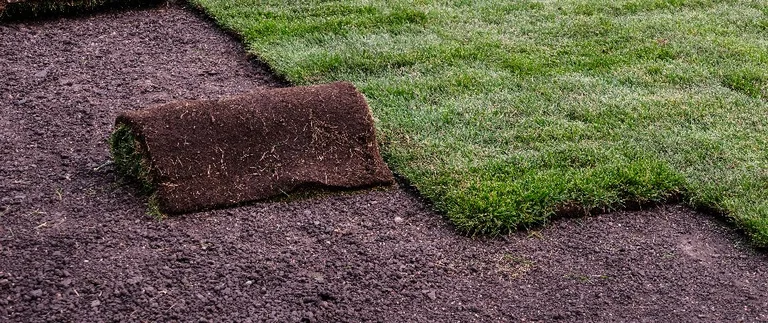
Sod gives you a lawn in a day. Literally. The crew lays it in the morning and by afternoon you have a green, established-looking lawn. Full root establishment takes 4-6 weeks, but the visual result is immediate. If you're selling a property, hosting an event, or just don't want to look at bare dirt for two months, sod is the answer.
Seeding takes 6-8 weeks to produce a usable lawn. Germination begins at 7-14 days depending on the grass variety, but it takes a full growing cycle to fill in and establish. During that period, the area is vulnerable to washout from heavy rain, weed competition, and bird feeding.
Best Season
Seeding has a narrow ideal window: late August through mid-September in Hamilton County. Cool temperatures, shorter days, and fall rains create perfect germination conditions. Spring seeding (April through May) is a secondary option but faces more weed competition and summer heat stress before the grass matures.
Sod can be installed from mid-April through November. The flexibility is a major advantage. Fall is ideal (less watering needed, less heat stress), but sod handles spring and even summer installation reasonably well as long as you stay on top of watering.
Grass Variety Options
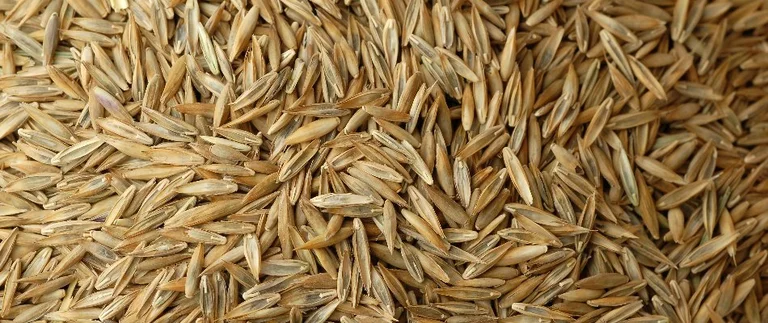
Seeding gives you more variety options. You can choose specific cultivars of Kentucky Bluegrass, Tall Fescue, Perennial Ryegrass, and Fine Fescue, and mix them in ratios optimized for your property's sun, shade, and traffic patterns.
Sod is typically grown in one or two standard blends. You get what the sod farm grows. For most homeowners this is fine because Indiana sod farms grow varieties selected for our climate. But if you have specific shade tolerance or drought tolerance needs, seeding offers more customization.
Erosion and Slope Concerns
If the area has a slope, sod wins. Seed on a slope is at high risk of washing away in the first heavy rain before it germinates. Sod provides immediate ground cover and erosion protection from day one. For steep areas, sod is often the only practical option.
New Construction Is a Special Case
If you just moved into a new build in Westfield or McCordsville and the builder "seeded" your lawn, you're probably looking at a thin, patchy mess growing on stripped subsoil. Builder-grade lawns fail because the topsoil was removed during grading and the seed was thrown on compacted clay with minimal prep. In this situation, you have three options: overseed aggressively over two to three fall seasons, rip it out and start fresh with proper seeding on amended soil, or lay sod for an immediate fix. We see all three approaches work. It depends on how fast you want results and what you want to spend.
The Bottom Line
Choose seeding if you have the time, want the cost savings, can plant in the ideal fall window, and the area is relatively flat.
Choose sod if you need an instant result, the area has erosion risk, you're planting outside the ideal seeding window, or budget is not the primary concern.
If your existing lawn just needs thickening rather than a full replacement, aeration and overseeding is usually the most cost-effective path. We can assess your specific situation and recommend the right approach during a free on-site estimate.
Sprout Lawn & Landscape serves Noblesville, Carmel, Westfield, Fishers, and surrounding Hamilton County communities. Call (317) 900-7151 to get started.