June 12, 2024 · Lawn Care
Your dog probably spends more time on your lawn than you do. They roll in it, dig in it, eat grass when their stomach is off, and their paws track whatever's on the surface straight into your house. If you're treating your lawn with fertilizer, herbicides, or pest control products, you're right to ask whether it's safe. The short answer: yes, when applied correctly. Here's what you need to know.
Fertilizer and Herbicide Safety
The fertilizers and herbicides used in professional lawn care are formulated for residential properties where kids and pets use the yard. The key is the drying period. Once the product has dried on the lawn surface, typically 30 minutes to an hour after application depending on temperature and humidity, it's safe for dogs and cats to walk on, roll in, and do their thing.
During that drying window, keep pets off the treated area. We always let customers know when an application has been made so you can plan ahead. If your dog is outside when we arrive, we'll coordinate timing with you. After the product dries, it bonds to the grass blades and soil surface and is no longer available for ingestion in any meaningful amount through normal pet contact.
Granular fertilizers are slightly different. The pellets need to be watered in (or rained on) before pets should have unrestricted access. If your dog is the type to eat anything they find on the ground, keep them off the lawn until the first watering dissolves the granules into the soil.

Flea, Tick, and Mosquito Treatments
Outdoor flea and tick treatments and mosquito control applications follow the same drying rule. Once dry, they're safe for pets. These treatments are actually protecting your dog by reducing the pest population in the yard before the pests can latch on. Mosquitoes can transmit heartworm to dogs through bites, and ticks carry Lyme disease and other illnesses. A treated yard means fewer encounters.
These yard treatments work alongside your pet's existing flea, tick, and heartworm prevention. They're not a replacement for your vet's recommended products, but they reduce the total pest load your dog is exposed to in the first place.
Your Dog Is Probably Damaging the Lawn More Than the Lawn Is Hurting Your Dog
Let's talk about the other side of this relationship. Dog urine is high in nitrogen. Concentrated in one spot, it burns the grass and leaves those familiar yellow-brown dead patches, especially from female dogs who tend to urinate in the same area. If your lawn has round brown spots surrounded by a ring of extra-green grass (the halo effect from diluted nitrogen at the edges), your dog is the culprit.
How to minimize urine damage: Water the spot immediately after your dog goes. This dilutes the nitrogen before it scorches the grass. If you can, train your dog to use a designated area of the yard covered in gravel or mulch rather than the turf. For existing dead spots, fall overseeding will fill them back in. In severe cases, sod patches give you instant repair.
Digging is the other common damage pattern. Dogs dig when they're bored, hot (looking for cool soil), or chasing moles and grubs. If your dog digs in the same spot repeatedly, there may be grubs in the soil they're trying to get at.
Plants to Watch Out For
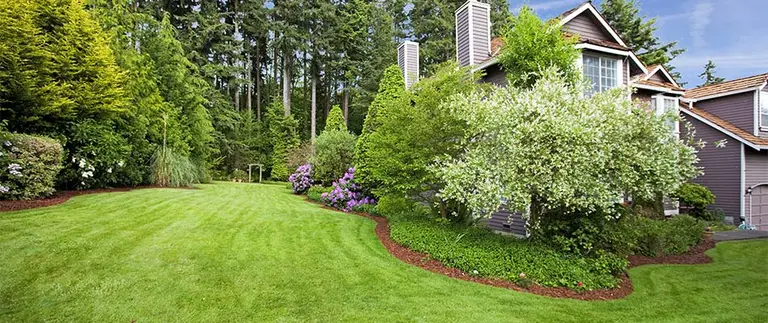
While lawn treatments are safe once dry, some common landscape plants are toxic to dogs if ingested. Azalea, Sago Palm, Lily of the Valley, Oleander, and Yew are all poisonous to dogs. If your dog chews on plants (some never outgrow the puppy phase), make sure your landscape beds don't include anything that could make them sick. When we design plantings for pet-owning households, we factor this in.
The Bottom Line
Professional lawn care and dog ownership work well together. The products are safe when applied correctly, the drying period is short, and a well-maintained lawn is actually healthier for your dog than a neglected one full of fleas and ticks. Just keep your pets off the lawn during the brief drying window after each application, and you're good.
If you have specific concerns about products or timing, ask us. We serve families (and their dogs) across Noblesville, Carmel, Westfield, Fishers, and the rest of Hamilton County. Call (317) 900-7151.