October 18, 2023 · Leaf Removal
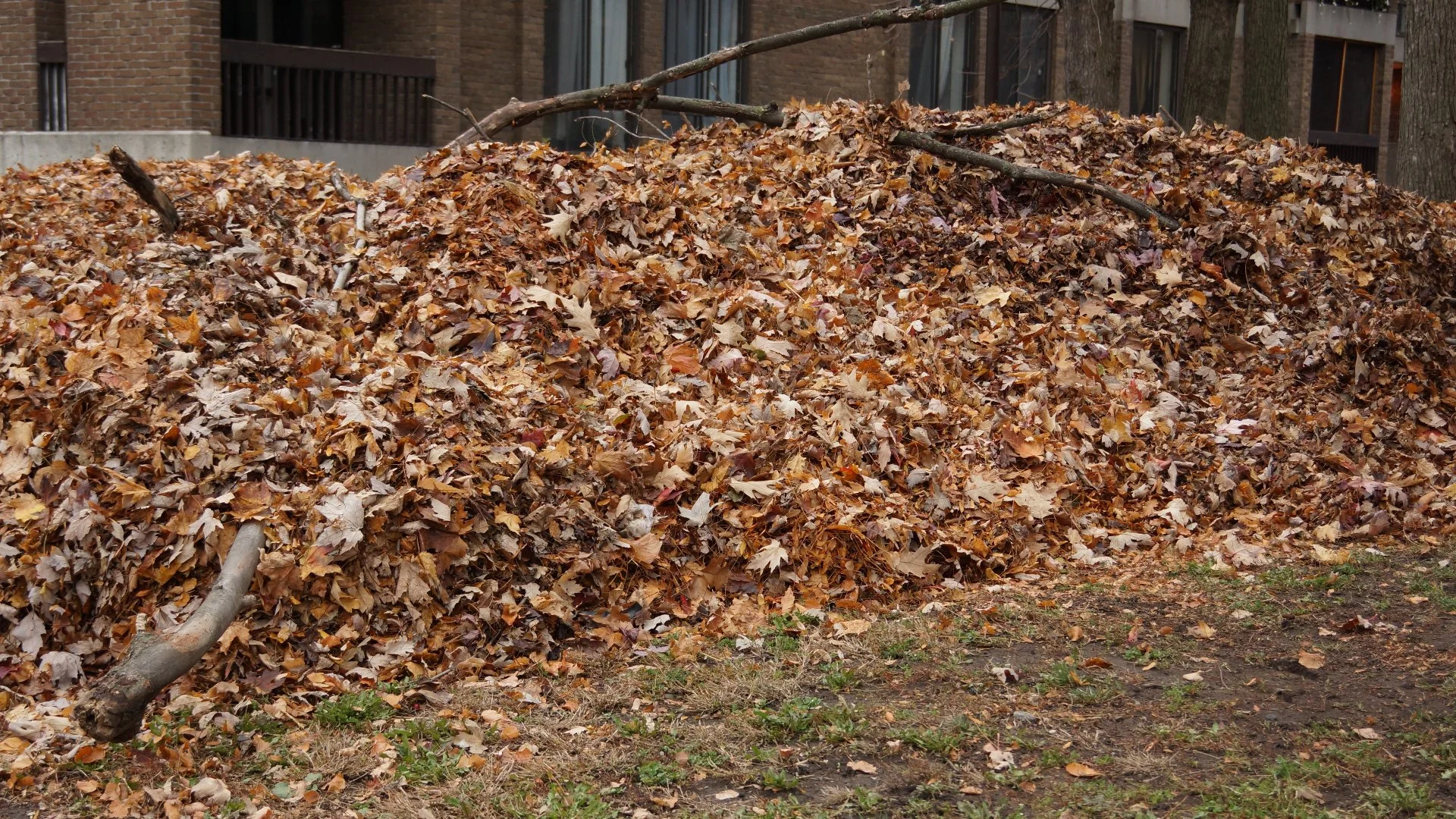
Every fall, Hamilton County homeowners face the same problem: what to do with the mountain of leaves covering the lawn. Some people rake them to the curb. Some mulch them with the mower. And some reach for the matches.
Burning leaf piles might seem like the fastest solution, but it's actually one of the worst things you can do for your lawn, your neighbors, and potentially your wallet. Here's why.
Burning Damages Your Lawn
A leaf pile fire generates intense heat concentrated on a small area of turf. That heat kills the grass underneath and sterilizes the top layer of soil, destroying the microorganisms that your lawn depends on for nutrient cycling. Even after the burn area recovers, it often comes back thinner and weaker than the surrounding grass because the soil biology was damaged.
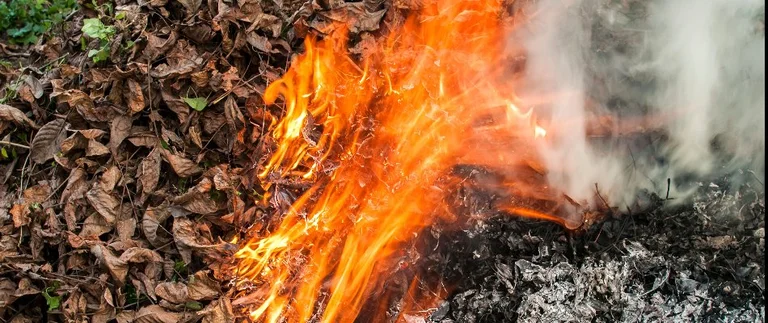
The ash itself changes soil pH in the burn area, creating an alkaline spot that may not support your grass type well. And if the fire gets hot enough (which leaf piles often do), the heat can damage roots and rhizomes several inches below the surface.
Legal Issues in Hamilton County
Open burning regulations vary by municipality, and most cities in Hamilton County restrict or ban it within city limits. Noblesville, Carmel, Fishers, and Westfield all have ordinances governing open burning. Violations can result in fines, and if the fire gets out of control or smoke drifts onto a road, you could face liability for property damage or accidents.
Even in unincorporated areas of Hamilton County where burning may be technically legal, local fire departments typically require a permit and impose restrictions on wind speed, distance from structures, and time of day. A dry, windy October afternoon is exactly when leaf piles are driest and most tempting to burn, and it's also exactly when fire departments issue burn bans.
The Neighbor Problem
Even where it's legal, burning leaf piles fills the entire neighborhood with smoke. Your neighbors' kids are playing outside. Their windows are open. Their laundry is hanging on the line. Leaf smoke contains particulate matter that irritates lungs, especially in children, elderly people, and anyone with asthma. It's the fastest way to go from "friendly neighbor" to "that house everyone complains about."
Better Alternatives
Mulch mowing. For light to moderate leaf cover, running the mower over the leaves chops them into small pieces that decompose quickly and feed the soil. This only works when the leaf layer isn't too thick. If you can still see grass blades poking through the leaves, mulch mowing is an option.
Professional leaf removal. For heavy leaf cover, which is most properties in Hamilton County with mature hardwoods, professional removal is the most practical option. We clear the entire property including lawn, beds, fence lines, and hard surfaces, and haul everything away. Learn more about our leaf removal service.
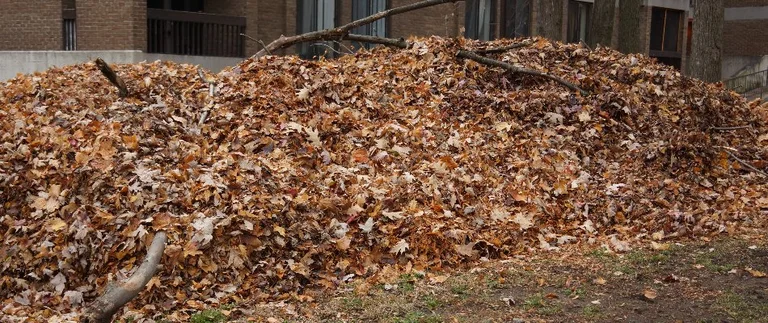
Composting. If you have space, leaf piles make excellent compost when mixed with green material (grass clippings, food scraps). It takes 6-12 months but produces free, high-quality soil amendment for your garden beds.
Municipal collection. Some Hamilton County communities offer curbside leaf collection during fall. Check with your local public works department for dates and guidelines.
The Bottom Line
Don't burn your leaf piles. It damages your lawn, may be illegal where you live, annoys your neighbors, and there are better options available. If the volume is too much to handle yourself, that's exactly what we're here for.
Sprout Lawn & Landscape offers leaf removal and fall cleanup services throughout Noblesville, Carmel, Westfield, Fishers, and surrounding Hamilton County communities. Call us at (317) 900-7151 or request a free estimate.