February 19, 2026 · Lawn Care
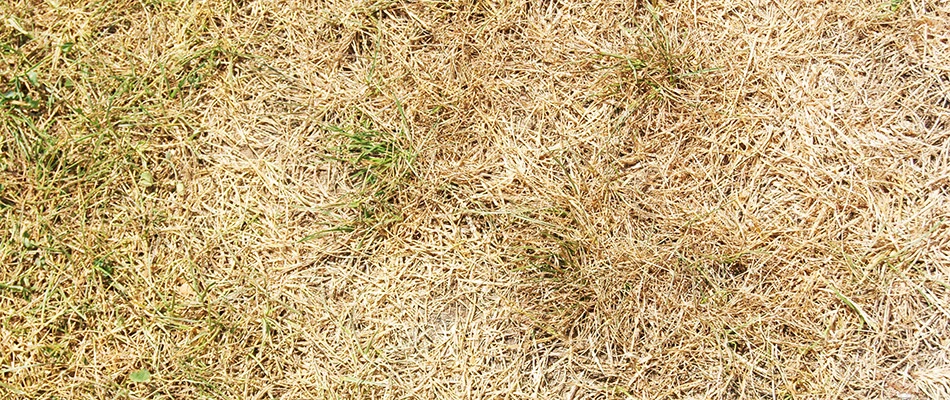
New construction and renovation projects are everywhere across Hamilton County. Additions in Noblesville, pool builds in Carmel, new driveways in Fishers. The project finishes, the contractor leaves, and you're staring at a yard that looks like a dirt parking lot. Heavy equipment compacted the soil. Tire tracks and material staging areas killed the grass. Topsoil got scraped, buried, or hauled away. And whatever is left is full of construction debris, gravel, and clay subsoil that nothing will grow in.
Here's how to bring it back, step by step.
Step One: Clean It Up
Before anything grows, you need to remove what shouldn't be there. Walk the entire yard and pull out chunks of concrete, drywall scraps, wire, nails, lumber offcuts, and anything else the crew left behind. This isn't just about aesthetics. Construction debris buried under soil will create dead spots where roots can't establish and water can't drain properly.
If the construction involved digging, check for areas where clay subsoil was brought to the surface and dumped on top of what used to be decent topsoil. That clay cap will prevent water infiltration and make it nearly impossible for grass to root. It needs to be removed or at minimum broken up and mixed with quality topsoil.
Step Two: Fix the Soil
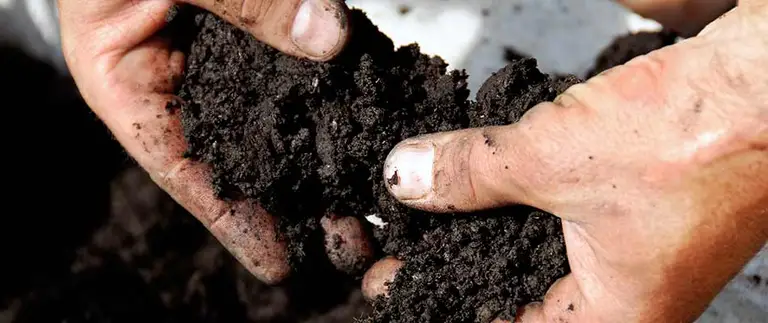
This is the step that determines whether your lawn recovery actually works or just looks decent for a month before failing. Construction equipment compacts soil severely. The heavy clay that sits under most properties in Hamilton County is already prone to compaction, and a few weeks of trucks driving across it makes it almost concrete-hard in places.
The damaged areas need to be tilled or ripped to a depth of at least 4 to 6 inches. After loosening, bring in quality topsoil to replace what was lost. A 3 to 4 inch layer of screened topsoil over worked ground gives new grass a fighting chance. For larger areas, having the soil graded by a landscaping crew ensures proper drainage away from the house, which prevents water pooling and future problems.
Step Three: Seed or Sod
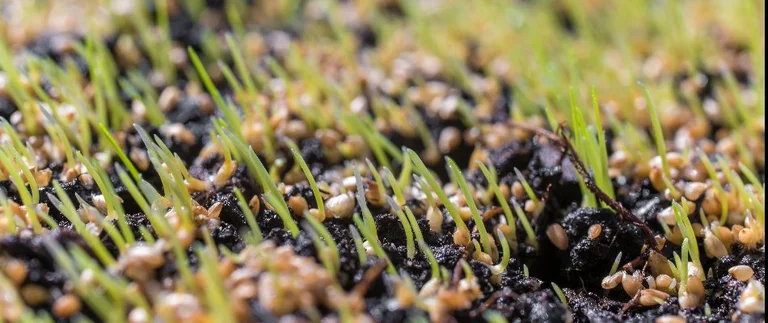
Once the soil is prepped, you've got two options. Seeding is the more affordable route and works well for large areas, but it takes time. You're looking at 2 to 3 weeks for germination and a full season before the lawn fills in and can handle regular foot traffic. The best seeding window for central Indiana is mid-September through mid-October, when soil temperatures are still warm but air temperatures have cooled off.
Sod gives you an instant lawn. It costs more upfront but eliminates the waiting period and the risk of washout from heavy rain. For smaller repair areas, especially high-visibility spots like the front yard or areas near the driveway, sod often makes more sense because you get full coverage immediately. We install sod year-round as long as the ground isn't frozen, though spring and early fall produce the best root establishment.
Step Four: Get on a Program
New grass, whether from seed or sod, needs support to establish. That means consistent watering for the first few weeks, a starter fertilizer application at planting, and then transitioning into a regular fertilization and weed control program once the turf is established. Skipping the follow-through is the number one reason post-construction lawn repairs fail. The seed germinates, the homeowner stops paying attention, weeds move in, and six months later the yard looks almost as bad as it did after the construction ended.
For properties in Westfield and Fortville that had major construction, we often recommend core aeration during the following fall to loosen any remaining compaction and thicken the new turf. That first aeration after a lawn rebuild makes a noticeable difference in root depth and overall density heading into the second growing season.
Don't Wait Too Long
The longer a construction-damaged yard sits bare, the worse it gets. Exposed soil erodes with every rain. Weeds colonize bare ground within weeks. And compacted soil only gets harder as it dries through summer. If your construction project wrapped up recently, the best move is to start the repair process now instead of hoping the grass will somehow come back on its own. It won't.
We handle post-construction lawn restorations across Hamilton County, from small patchwork repairs to full yard rebuilds. Call (317) 900-7151 or request an estimate online.