October 25, 2024 · Lawn Care
How your lawn handles winter comes down to what you do in October and November. A lawn that goes into dormancy clean, well-fed, and properly aerated comes back thick and strong in March. A lawn that enters winter buried under leaves with compacted soil and no winterizer comes back thin, patchy, and full of openings for weeds. Here's the full prep list for Hamilton County properties.
Step 1: Aerate and Overseed (Early Fall)
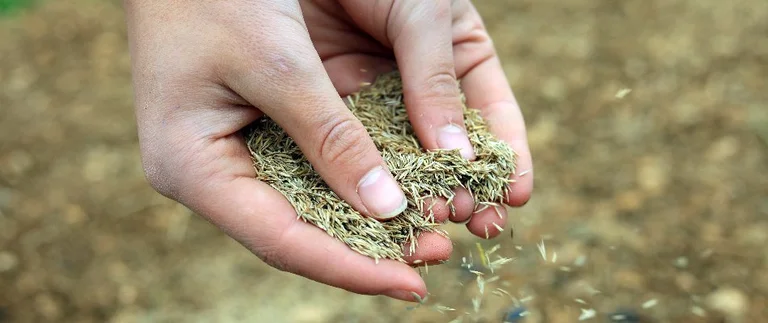
If you haven't done core aeration and overseeding yet this fall, the window is closing fast. Early October is the tail end of the ideal window in central Indiana. Soil needs to be warm enough for grass seed germination, and once nighttime temperatures consistently drop below 50 degrees, new seed won't reliably take.
Aeration breaks through the compacted clay that's been building since April, and overseeding fills in every thin and bare spot with fresh grass. This is the single biggest thing you can do to improve your lawn before winter. If you only have the budget for one fall service, this is the one.
Step 2: Apply Winterizer Fertilizer (Late October to Early November)
The winterizer application goes down after the grass has slowed its top growth but while roots are still active. In Hamilton County, that's typically late October through the first week or two of November. This final fertilizer fuels root carbohydrate storage, which directly determines how fast and green your spring green-up is.
Step 3: Remove the Leaves (Ongoing Through November)
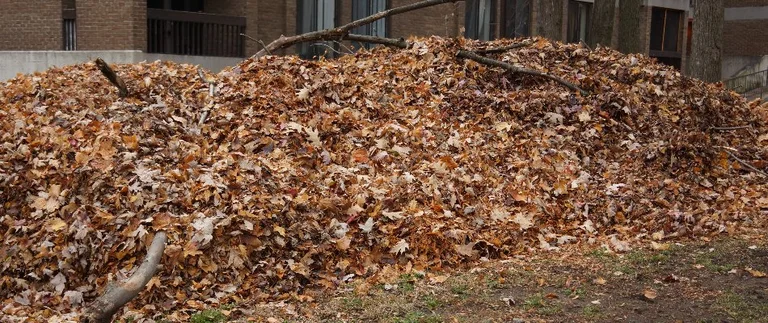
This is the step most homeowners procrastinate on. Don't wait until every tree is bare. Remove leaves in passes as they fall. A thick layer sitting on the grass for three or four weeks blocks sunlight during the last critical weeks of photosynthesis, traps moisture that breeds fungal diseases like snow mold, and can kill entire sections of turf that don't recover until you reseed in the following fall.
Properties near Forest Park in Noblesville, the established neighborhoods in Carmel, and the lakefront lots in CiceroGeist get hit hardest with leaf volume. If your property has heavy tree cover, recurring leaf removal visits are worth every dollar compared to the repair costs of a smothered lawn.
Step 4: Final Mow
For the last mow of the season (usually mid to late November in our area), drop the cutting height to around 3 inches, slightly lower than the 3.75 to 4 inches we maintain during the growing season. Slightly shorter grass going into winter reduces the risk of snow mold, a fungal disease that develops under snow cover on tall, matted grass. Don't scalp it down to 2 inches. Just bring it down a notch.
Step 5: Fall Cleanup
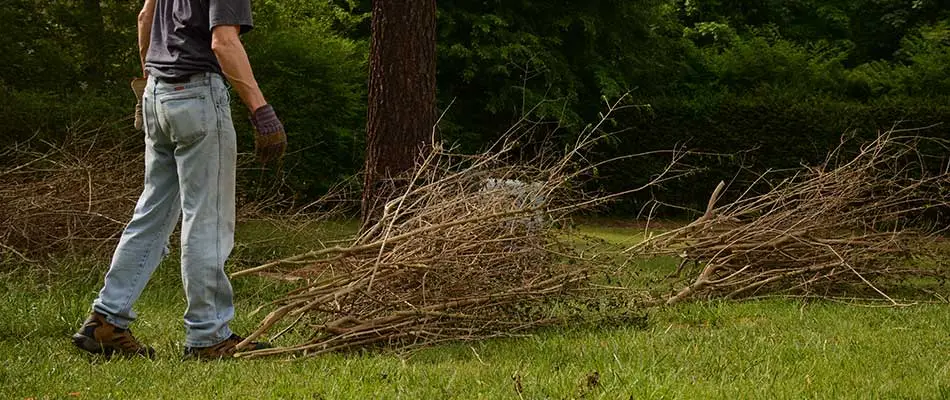
A proper fall cleanup goes beyond leaf removal. Cut back dead perennial stems in your landscape beds. Clear debris from around the foundation. Re-edge beds that have lost their definition over the growing season. Check for any shrubs that need a late pruning before going dormant (only those that bloom on new wood). Make sure nothing is sitting on the lawn, in the beds, or on the hardscape that would cause problems over winter.
Step 6: Plan for Snow
If you need snow removal for your driveway or commercial property this winter, sign up before the first snowfall. Capacity fills up fast. We set trigger depths before the season starts and dispatch automatically when they're reached. No scrambling, no phone calls at 5 AM.
We handle all of this for homes and businesses across Noblesville, Carmel, Westfield, Fishers, Fortville, McCordsville, and CiceroGeist. Call (317) 900-7151 or get pricing online.