September 12, 2024 · Aeration & Seeding
Not all grass seed is created equal, and the bags at the hardware store don't make it easy to tell the difference. Some blends are loaded with cheap filler seed that germinates fast but dies in the first hot summer. Others are premium mixes designed for Indiana's specific climate but cost three times as much. Here's how to cut through the confusion and pick the right seed for your Hamilton County lawn.
Indiana Is Cool-Season Grass Territory
Central Indiana sits squarely in the cool-season grass zone. That means your lawn should be made up of grasses that grow best when temperatures are between 60 and 75 degrees and can handle both our cold winters and hot, humid summers. The four species that work here are Kentucky Bluegrass, Tall Fescue, Perennial Ryegrass, and Fine Fescue. Most quality seed blends use a mix of these, and the ratio matters based on your property's conditions.
The Four Grasses and What Each Does Best
Kentucky Bluegrass is the gold standard for Hamilton County lawns. It produces a dense, dark green turf with a fine texture that looks like the lawn on a golf course when maintained properly. Its biggest advantage is that it spreads by underground rhizomes, which means it can fill in bare spots and repair minor damage on its own. The downside: it needs at least 6 hours of direct sun per day and is the slowest to germinate (14 to 21 days). If your yard is mostly sunny, Kentucky Bluegrass should be the dominant species in your blend.
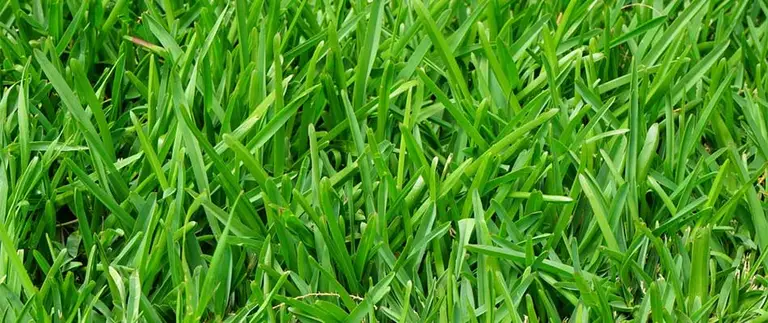
Tall Fescue is the workhorse. It has the deepest root system of the four, which makes it the most drought-tolerant and heat-resistant option for Indiana summers. It handles moderate shade better than Bluegrass and tolerates heavier foot traffic. Tall Fescue doesn't spread by rhizomes though, so bare spots won't fill in on their own and need to be reseeded. For properties in full sun that bake in July and August, a Tall Fescue-dominant blend handles the heat better than anything else.
Perennial Ryegrass is the fast starter. It germinates in 5 to 10 days, which is why it's included in most blends: it provides quick green cover while the slower Kentucky Bluegrass and Tall Fescue are still germinating underground. Perennial Ryegrass has a fine texture and good wear tolerance but isn't as heat-tolerant as Tall Fescue or as cold-hardy as Kentucky Bluegrass. It's a supporting player, not the star.
Fine Fescue (Creeping Red, Chewings, Hard Fescue) is the shade specialist. If your property has areas under mature trees that get less than 4 hours of direct sun, Fine Fescue is the only grass that will perform well there. It's low-maintenance and drought-tolerant once established, but it doesn't hold up to heavy foot traffic. Shade areas in the established Carmel and Noblesville neighborhoods with big canopy benefit most from Fine Fescue in the mix.
How We Build Our Blends
When we overseed or do a new lawn seeding, we don't use a one-size-fits-all bag. We adjust the blend based on the property:
Mostly sunny yard: Heavy on Kentucky Bluegrass (50-60%) with Tall Fescue (25-30%) and Perennial Ryegrass (10-15%) for quick cover. This is the classic Hamilton County blend for open, sun-exposed properties.
Mixed sun and shade: Tall Fescue dominant (40-50%) with Kentucky Bluegrass (20-30%), Fine Fescue (15-20%), and Perennial Ryegrass (10%). This handles the reality that most yards have some of each.
Heavy shade: Fine Fescue dominant (50-60%) with Tall Fescue (25-30%) and Perennial Ryegrass (10-15%). Kentucky Bluegrass is reduced or eliminated because it won't perform in less than 6 hours of sun.
What to Avoid at the Store
Annual Ryegrass. Not the same as Perennial Ryegrass. Annual Ryegrass germinates quickly and looks green for one season, then dies. Cheap blends use it as filler to make the bag seem like a good deal. Check the label. If it says "Annual Ryegrass" anywhere, put it back.
"Contractor mix" or "quick cover" blends. These are designed to be cheap and germinate fast for new construction sites. They're heavy on Annual Ryegrass and low-quality varieties that won't survive long-term. If a builder seeded your Westfield or McCordsville lawn with contractor mix, that's probably why it's thin and weedy two years later.
Warm-season grasses. Bermuda, Zoysia, and St. Augustine are warm-season grasses that don't survive Indiana winters reliably. They show up in some national-brand seed blends sold at big box stores. These blends were formulated for a broader region and aren't appropriate for Hamilton County.
The Bottom Line
The best grass seed for your Indiana lawn depends on how much sun you get, how much traffic the lawn handles, and what's already growing there. If you're overseeding an existing lawn, you want to match what's there. If you're starting from scratch, you have more flexibility to choose the right blend from the start.
We handle seed selection as part of our aeration and overseeding and new lawn seeding services. Call (317) 900-7151 or get instant pricing online.