February 14, 2026 · Lawn Care
Every lawn has at least one trouble spot that never quite looks as good as the rest. More often than not, that spot is under a tree. The grass is thinner, weaker, sometimes bare. It stays damp longer after rain. Moss creeps in. No matter what you do, it just won't fill in like the sunny areas.
That's not bad luck. It's shade doing what shade does to cool-season turf. And the fix isn't just more seed or more fertilizer. It's understanding that shaded areas play by different rules than the rest of your lawn.
Why Grass Struggles in Shade
Grass needs sunlight to photosynthesize, which is how it produces the energy to grow, thicken, and fight off stress. Most lawn grasses need at least 4 to 6 hours of direct sunlight per day to maintain healthy density. Under mature trees, especially the big maples and oaks common across Noblesville and Carmel, some areas get less than 2 hours of direct sun. The grass still grows, but it grows thin, leggy, and weak.
Shade also creates a different microclimate. Air circulation is reduced, which means the grass stays wet longer after rain or morning dew. That extended moisture promotes fungal diseases that wouldn't develop in a sunny, well-ventilated area. And the tree roots compete with the grass roots for water and nutrients, which means the turf is fighting for resources it's already short on.
Choose the Right Grass for Shade
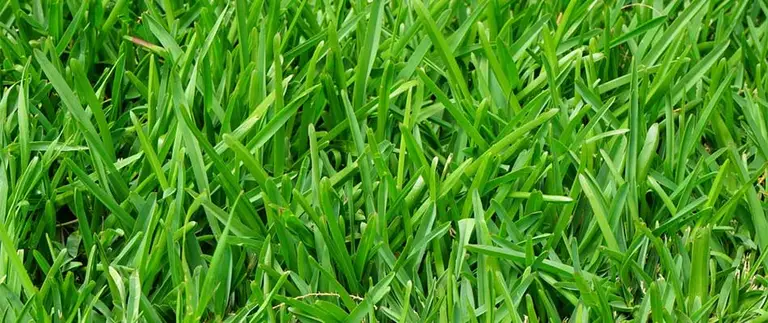
Not all grass varieties handle shade equally. Kentucky bluegrass, which makes up a large percentage of Indiana lawns, is one of the least shade-tolerant cool-season grasses. Fine fescue varieties, including creeping red fescue, chewings fescue, and hard fescue, are significantly more shade-tolerant and can maintain reasonable density with as little as 3 to 4 hours of filtered light.
When we overseed properties with significant shade, we use a shade-specific seed blend that leans heavily on fine fescue. Dropping the same sun-mix seed under a tree canopy and expecting it to work is one of the most common mistakes we see. The seed germinates, struggles through one season, and thins right back out because the variety isn't suited to the light conditions.
Mow Higher in the Shade
Taller grass blades have more surface area to capture whatever sunlight is available. In shaded areas, raise your mowing height to 4 inches or even 4.5 inches. This gives the grass the best chance to photosynthesize enough to maintain itself. Cutting shade grass short is one of the fastest ways to kill it because you're removing the leaf surface it desperately needs for energy production.
You can mow the sunny parts of the yard at your normal 3.5 inches and lift the deck for the shaded sections. It takes an extra 30 seconds per mow and makes a measurable difference over the season.
Water Less, Not More
This surprises people. Shaded areas actually need less water than sunny areas because evaporation is much slower under a tree canopy. The soil stays moist longer, and adding more water on top of that creates the soggy conditions that lead to root rot and fungal problems. If you have irrigation zones that cover both sun and shade, the shaded zones should run for shorter durations.
The exception is during dry spells when the tree itself is pulling significant moisture from the soil. Large mature trees can absorb 50 to 100 gallons of water per day during peak summer, which dries out the root zone faster than you'd expect. During drought, the tree wins the competition for water and the grass loses.
Reduce Traffic
Shaded turf recovers from foot traffic more slowly than turf in full sun because it doesn't have the energy reserves to repair damage quickly. If you can route foot paths, play areas, and dog runs through the sunny parts of the yard, the shaded grass will hold up significantly better. For areas that get both heavy shade and heavy traffic, like under a tree next to the driveway or along a path to the backyard, ground cover or mulch may be a more realistic solution than fighting to maintain grass.
Sometimes Grass Isn't the Answer
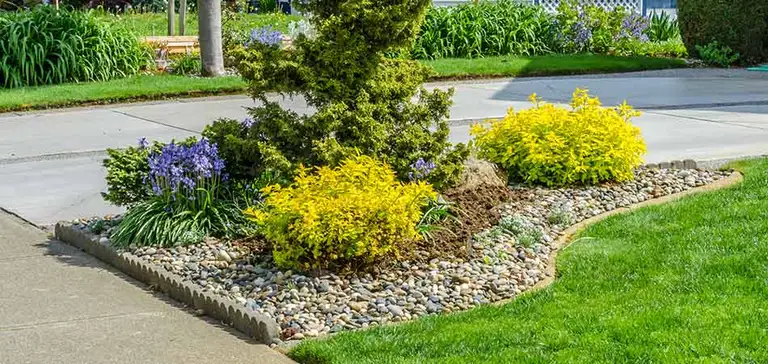
In areas with less than 2 hours of direct sunlight, even shade-tolerant grass varieties will struggle. For those deep shade zones under dense canopies, consider a landscape bed with shade-loving plants, a mulch path, or a ground cover like vinca or pachysandra. A well-designed shade garden can look better than a patchy, struggling lawn and requires far less maintenance.
Every property is different, and shade patterns change as trees grow. If you're fighting a losing battle with a shaded section of your yard in Fishers, Westfield, or anywhere in Hamilton County, give us a call and we can help you figure out the best approach. (317) 900-7151 or request an estimate online.