April 10, 2024 · Pest Control
If you have kids, pets, or just enjoy spending time in your yard, flea and tick control should be part of your lawn care plan. Central Indiana's warm, humid summers create prime conditions for both pests, and Hamilton County's wooded neighborhoods and proximity to open spaces mean tick populations are a real concern.
Here's how often you should be treating, when to start, and what actually works.
When Does Tick Season Start in Indiana?
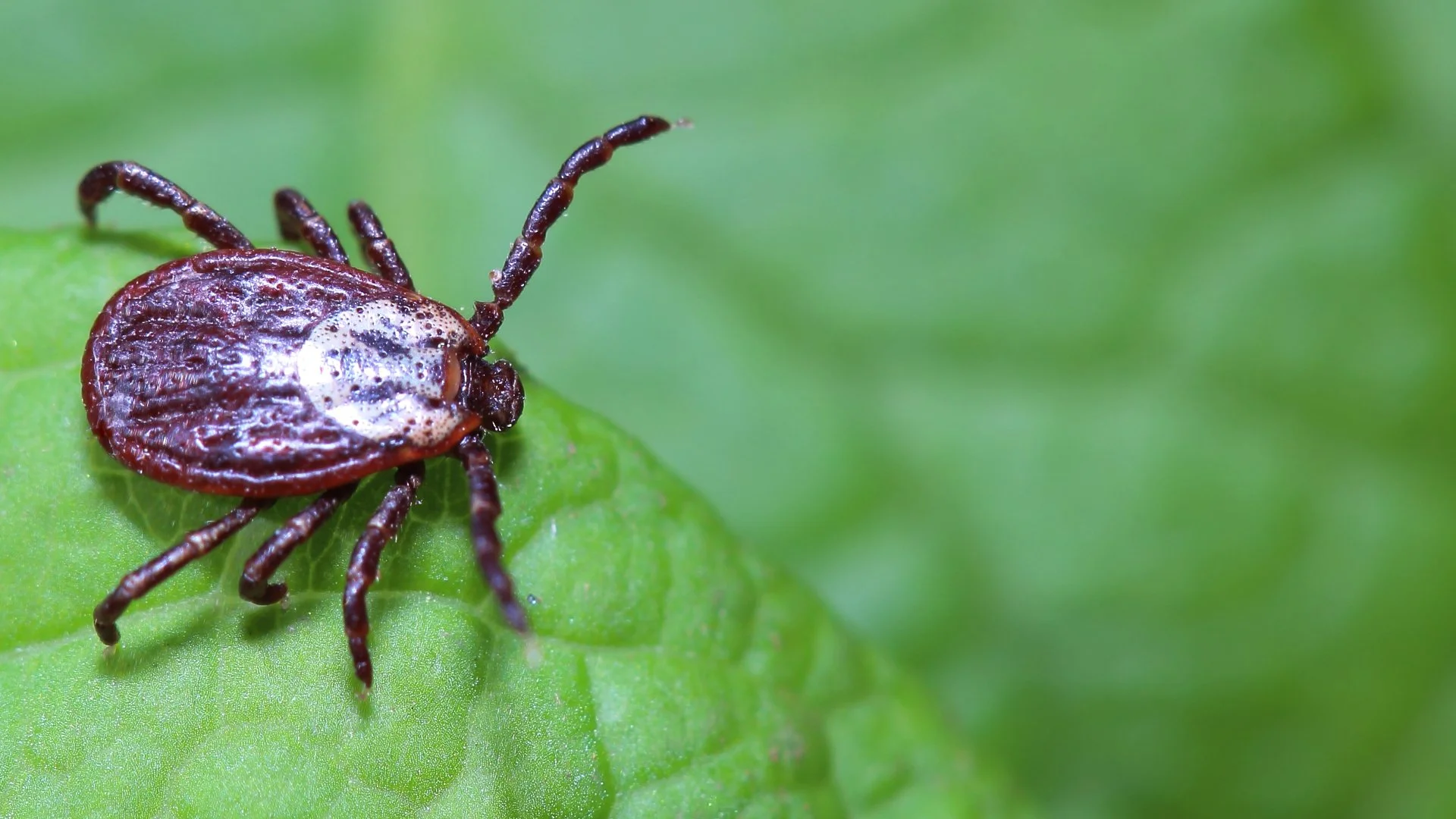
Ticks become active when temperatures consistently stay above 45 degrees. In the Noblesville area, that typically means late March or early April, depending on how the spring unfolds. They remain active through November, with peak activity from May through July when nymph-stage ticks (the small ones that are hardest to spot) are most abundant.
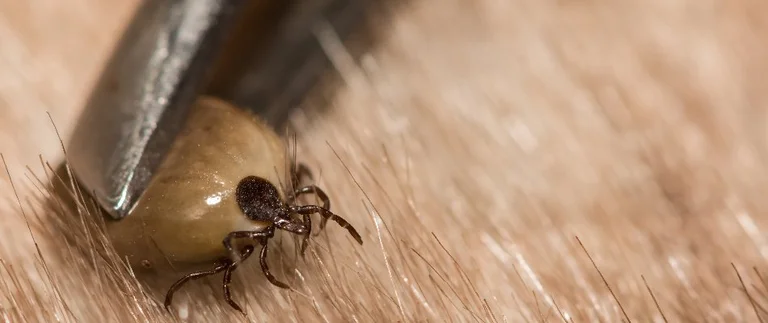
Fleas follow a similar pattern but tend to peak a bit later, from June through September when heat and humidity are highest. Both pests can remain active into late fall during mild years.
Treatment Frequency
For effective control, most Hamilton County properties need treatments every 3 to 4 weeks during active season. That's roughly 5 to 7 treatments from April through October, depending on the year and pest pressure in your specific area.
A single one-time treatment provides temporary knockdown but doesn't last. Fleas and ticks don't just live on your lawn. They're carried in continuously by wildlife: deer, rabbits, squirrels, raccoons, and birds. Every deer that walks through your yard deposits ticks. Every squirrel running along your fence line brings fleas with it. Regular treatments create and maintain a barrier that keeps populations suppressed despite that constant reinfestation pressure.
Properties in Fortville, McCordsville, and CiceroGeist tend to need the full season of treatments because of the heavier wildlife traffic from surrounding rural and wooded areas. Properties in more developed parts of Carmel and Fishers may have lighter pressure, but any property that borders a tree line, creek, or retention area should be on a full-season schedule.
Where to Focus Treatment
Ticks concentrate in transitional zones: the edges where your lawn meets wooded areas, fence lines, garden borders, and around playground equipment and decks. They don't thrive in the middle of a well-maintained lawn because they need shade and moisture to survive.
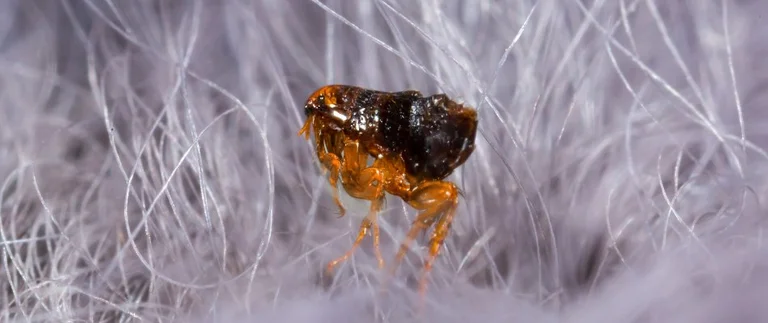
Fleas tend to concentrate in shaded areas, under porches and decks, and anywhere your pets rest outdoors. They reproduce in loose soil and organic debris, which is why keeping your lawn mowed and your leaf litter cleared helps reduce flea habitat.
What You Can Do Between Treatments
Mow regularly. Short, well-maintained grass is hostile territory for ticks. They need tall grass and leaf litter to stay hydrated. Weekly mowing removes that habitat.
Remove leaf litter and debris. Piles of leaves, stacked wood, and overgrown brush are tick and flea havens. Regular cleanups eliminate these harborage areas.
Keep wildlife out where possible. Deer fencing around gardens and clearing brush at property edges reduce the pathways that carry ticks onto your property.
Check yourself and pets. Even with treatment, it's good practice to check for ticks after spending time in the yard, especially around wooded edges.
Bundle With Mosquito Control
Many of our customers pair flea and tick treatments with mosquito control. Both services target overlapping areas of your property (shaded edges, vegetation, resting areas) and run on a similar schedule through the active season. Bundling gives you comprehensive outdoor pest protection from April through October without managing two separate service calendars.
Protect Your Family and Pets
Sprout Lawn & Landscape offers flea and tick control programs for properties throughout Noblesville, Carmel, Westfield, Fishers, and surrounding Hamilton County communities. We'll set up a treatment schedule that covers the full active season so you can actually enjoy your outdoor space without worrying about what's crawling in the grass.
Call us at (317) 900-7151 or request a free estimate to get started.