May 29, 2024 · Lawn Mowing
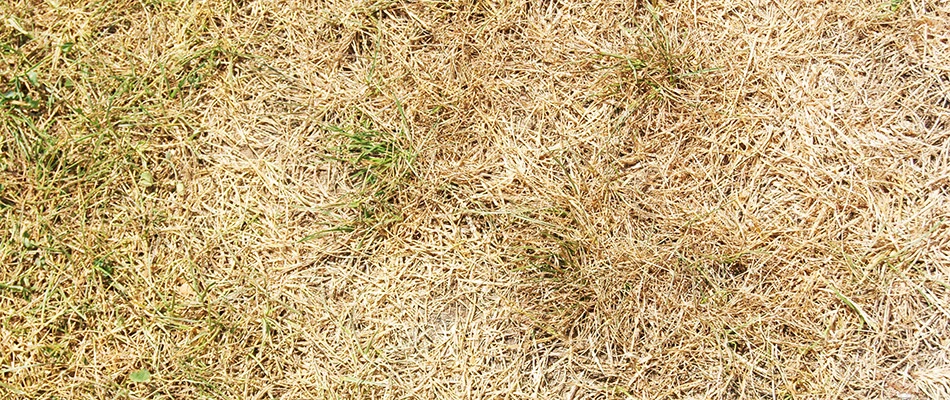
We get it. Mowing isn't everyone's idea of a good Saturday. So when you finally fire up the mower, the temptation is to drop the deck as low as it goes and scalp the yard so you won't have to do it again for two weeks. It makes sense in theory. In practice, it's one of the most damaging things you can do to a lawn - especially in central Indiana, where our cool-season grasses are already working overtime through hot, humid summers.
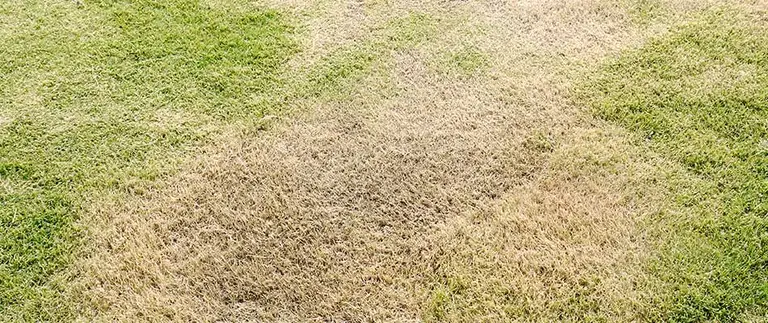
If you've noticed your yard turning brown in patches, getting overrun with weeds despite your best efforts, or just looking thin and tired no matter what you do, there's a good chance the mowing height is the culprit. Here's what's actually happening below the surface when you cut too short - and what you should be doing instead.
What Happens When You Cut Too Low
Grass isn't just the green blade you see above the soil. It's a plant with a root system, and the depth of those roots is directly tied to the height of the blade. When you scalp a lawn - cutting it down to two inches or less - three things happen at once, and none of them are good.
First, the roots stop growing deeper. The plant redirects all its energy into regrowing the blades you just removed, which means root development stalls. Shallow roots can't reach moisture during dry stretches, which is why scalped lawns are the first to brown out in July.
Second, you expose the soil to direct sunlight. Taller grass blades shade the soil surface, keeping it cooler and retaining moisture. When you remove that canopy, the soil dries out faster, soil temperatures spike, and you create the perfect germination environment for weeds like crabgrass and dandelions - which love bare, sun-baked ground.
Third, the weakened grass becomes vulnerable to disease and insects. A stressed lawn doesn't have the resources to fight off fungal infections like brown patch or dollar spot, or to withstand chinch bug infestations that can wipe out entire sections of turf. The damage compounds: disease kills more grass, which creates more bare spots, which invites more weeds and pests.
The Right Height for Indiana Lawns
Here in Noblesville, Carmel, Westfield, and Fishers, our lawns are almost entirely cool-season grasses - they thrive in spring and fall and go semi-dormant in peak summer heat. Each variety has a slightly different sweet spot, but they all perform best when you keep them on the taller side:
- Kentucky Bluegrass: 2.5 to 3.5 inches - the most common grass in Hamilton County subdivisions. It spreads by rhizomes, fills in bare spots on its own, but needs adequate height to stay dense.
- Tall Fescue: 3 to 4 inches - deep-rooted and drought-tolerant when kept tall. Common in newer Noblesville developments and often blended with bluegrass.
- Perennial Ryegrass: 2.5 to 3.5 inches - germinates fast, often used in overseeding mixes. Keeps its color well into fall.
- Fine Fescue: 2.5 to 4 inches - the most shade-tolerant of the group. You'll find it in lawns with heavy tree cover.
We mow most properties at 3.75 to 4 inches. It's the universal safe zone for blended lawns in our area, and it produces the thickest, healthiest turf over a full season.
The One-Third Rule: the Most Important Mowing Principle
Beyond height, how much you remove per cut matters just as much. The one-third rule is simple: never cut more than one-third of the grass blade in a single mowing session.
Here's what that looks like in practice. If your target height is 3.75 inches, you should mow when the grass reaches about 5.5 inches. That removes roughly a third of the blade - enough to keep things tidy without shocking the plant. If you let it grow to 8 inches and then hack it down to 4, you've removed half the blade. The grass goes into survival mode, stops root growth, and starts the stress cycle all over again.
This is one of the biggest reasons we recommend weekly mowing during the growing season. In May and June, Indiana lawns can grow over an inch per week. Weekly cuts keep you within the one-third window. Bi-weekly cuts almost never do.
Stop Fighting Your Lawn - Work With It
At Sprout Lawn & Landscape, we follow proper mowing height and the one-third rule on every single property. We use commercial-grade mowers with freshly sharpened blades for a clean cut (dull blades tear the grass, leaving ragged brown tips), and we alternate our mowing pattern each visit to prevent ruts and soil compaction.
If your lawn has already taken damage from being mowed too short, it can recover - but it takes time and the right approach. A good fertilization program helps rebuild stressed turf, and fall aeration and overseeding fills in the thin spots with fresh grass seed. Within a season, you'll see a real difference.
We serve Noblesville, Carmel, Westfield, Fishers, and the rest of Hamilton County. If you'd rather hand off the mowing to a crew that knows how to do it right, get instant pricing online or call us at (317) 900-7151.